Semen Retention: What The Science Actually Says (Not What TikTok Told You)
Semen Retention Guide 2026: Benefits, Risks, Science & How-To
What semen retention actually does to testosterone, focus, and sex drive, backed by real studies, not myths. A no-fluff 2026 guide to benefits, risks, and how to start.
You’ve seen the claims. Semen retention will supposedly make you sharper, stronger, more magnetic, practically unstoppable. It’s all over fitness TikTok, wrapped in gym-bro confidence and ancient-wisdom vibes. And somewhere in the middle of the hype, a fair question gets lost: is any of this actually true, or is it just another wellness trend riding on vibes and testosterone memes?
Let’s actually dig into it, what’s backed by research, what’s exaggerated, and what’s just recycled folklore with a new coat of paint.
What semen retention actually is (no mysticism required)
Strip away the branding and it’s simple: semen retention means deliberately not ejaculating, whether through full abstinence from sex and masturbation, or through techniques like edging that bring you close without finishing.
That’s it. No secret technique, no magic switch. Just a choice to not release, for a stretch of time you set yourself.

This didn’t start on Reddit — it’s thousands of years old
Long before “NoFap” was a subreddit, this practice had a name in ancient Chinese Taoist tradition, where practitioners treated sexual energy as something to be cultivated and preserved rather than casually spent. One 19th-century Taoist master described sexual energy in terms of a life-force currency, something that builds through your youth and, in his framework, depletes if spent carelessly later in life.
Worth being upfront here: that framework is philosophical and traditional, not something modern medicine has validated in those exact terms. What’s genuinely interesting is that a completely separate, much more recent branch of research, endocrinology and sports science, has circled back to some overlapping conclusions about testosterone and abstinence, even without the ancient framing. We’ll get into what that research actually shows in a second.

Wait… if I don’t ejaculate, where does the sperm go?
Good question, and it’s less dramatic than it sounds.
Your body produces sperm continuously. If it isn’t released, the unused sperm cells eventually die off and get quietly reabsorbed through the walls of the tubes where they’re stored, a completely normal, harmless background process your body runs constantly, retention or not. It doesn’t build up, it doesn’t back up, and it has no known effect on fertility.
Okay, but does it actually do anything? Here’s the real research
This is where most articles either oversell the hype or dismiss it entirely. The honest middle ground: the research is real but still thin, and a lot of the more dramatic claims outrun what’s actually been studied.
Here’s what’s genuinely on the record:
- A small 2018 study found that a single day of abstinence was associated with a measurable bump in sperm motility.
- A 2001 study found elevated testosterone in men who abstained from masturbation for three weeks.
- A separate 2003 study tracking testosterone across a week of abstinence found levels peaking specifically around day seven which is part of where the “seven-day rule” some communities talk about actually comes from.
- A study of male athletes found sexual activity didn’t hurt performance overall, though intercourse within two hours of competing showed some negative effect.
- On the flip side, 2007 research suggested chronic, frequent masturbation might be linked to reduced androgen receptor activity, the receptors your body needs to actually use testosterone, not just produce it.
- Separately, researchers studying the psychological side found that men who felt guilt around ejaculation reported more distress overall, including higher rates of drinking, erectile difficulty, and depressive symptoms, a reminder that a lot of what people feel isn’t really about the biology at all, it’s about the shame wrapped around it.
Read across all of it fairly: there’s a real, if modest, hormonal and fertility signal here, nothing that supports the “superhuman transformation” claims flooding your feed, but not nothing either. Treat any single study, including the ones above, as one data point, not gospel.
What people actually report feeling
Independent of the lab data, here’s what shows up consistently in personal accounts, and there’s a plausible explanation for most of it:
1. Enhanced Mental Clarity
Choosing not to act on every urge is, functionally, a discipline exercise, and discipline in one area tends to bleed into others. Less time chasing a specific dopamine loop tends to mean more attention available for everything else.
2. A different relationship with sex drive.
People frequently describe redirecting energy that used to go toward screens into actual desire for real intimacy. This isn’t magic — it’s what happens when you stop feeding one specific habit loop and the underlying drive has to find somewhere else to go.
3. Physical energy.
Tied loosely to the testosterone research above, though individual experience varies a lot here, this is one of the least consistently documented benefits, worth taking with a grain of salt.
4. Help with premature ejaculation.
Techniques like edging, the “start-stop” or “squeeze” method, are genuinely used in sex therapy to help build ejaculatory control, independent of any spiritual framing. This one has real clinical grounding.
5. A tool in porn recovery.
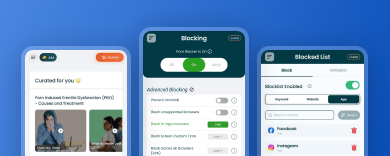
For people working through compulsive porn use, practicing retention alongside real behavioral changes, therapy, blockers, rebuilding real-world intimacy, can act as one piece of a bigger recovery process. It’s not a standalone cure, but it can support the broader shift away from screen-based gratification and toward actual connection.
How people actually do this
Full abstinence.
No ejaculation, period, solo or partnered. Start smaller than your ambition wants you to. A wildly ambitious day-one goal is exactly how most attempts die by day three.
Edging.
Stimulation up to the edge of climax, then a deliberate pause or pressure technique to back off, repeated as many times as you choose before eventually stopping altogether or finishing.
Retrograde technique.
A more advanced method where perineal pressure at the point of climax redirects semen into the bladder instead of releasing externally. This mimics a phenomenon that normally happens as a side effect of certain medications, worth researching thoroughly or discussing with a doctor before attempting, since technique matters here.
What the timeline usually looks like
Days 1–7 (the hard part).
Most people who quit early, quit here. Somewhere around 80-90% of first attempts hit a wall in week one. If you’re gritting your teeth through day four wondering if this is worth it, that’s apparently the norm, not a sign you’re doing it wrong.
Days 8–14 (the flatline).
Progress often goes quiet here, sometimes called a “flatline” energy dips, motivation feels flat, and it can feel like nothing’s happening. People who push through generally report this is exactly when subtler benefits focus, self-esteem, a steadier baseline mood, start compounding beneath the surface, even if it doesn’t feel dramatic yet.
Days 15–30 (the compounding stretch).
The final stretch tends to be where the earlier discipline starts actually paying off, according to most personal accounts. Not a switch flip, a slow build that becomes more noticeable the longer it holds.
The honest bottom line
Semen retention isn’t a hoax, and it isn’t a superpower either. The research that exists is real but limited, and plenty of what circulates online outruns what anyone’s actually proven. What’s much better supported is the psychological side: choosing restraint, on purpose, tends to build discipline that shows up elsewhere in your life, and that part doesn’t need a peer-reviewed study to be worth taking seriously.
If you’re exploring this as part of quitting porn or resetting your relationship with your own sexuality, treat it as one tool among several, pair it with real behavioral change, not as a replacement for it.
Semen Retention-FAQs
Q1. What are the risks of semen retention?
Well, there is no evidence pointing to the supposed risks of semen retention. However, it may lead to temporary situations like blue balls, but it generally eases on its own.
Q2. Can Semen Retention Help with Porn Addiction?
Yes, semen retention can work as one of the excellent treatment options for porn addiction.
Q3. What are the benefits of not ejaculating for 7 days?
Well, there are several benefits of not ejaculating for 7 days, including higher fertility, enhanced libido, higher levels of testosterone, and more! (Learn more here)