Porn Use, Shame and Mental Health: When Does It Become a Problem?
Porn Use Shame: 7 Signs It May Affect Mental Health
Porn Use, Shame and Mental Health: 7 Signs It May Become a Problem
Porn, Guilt and Mental Health
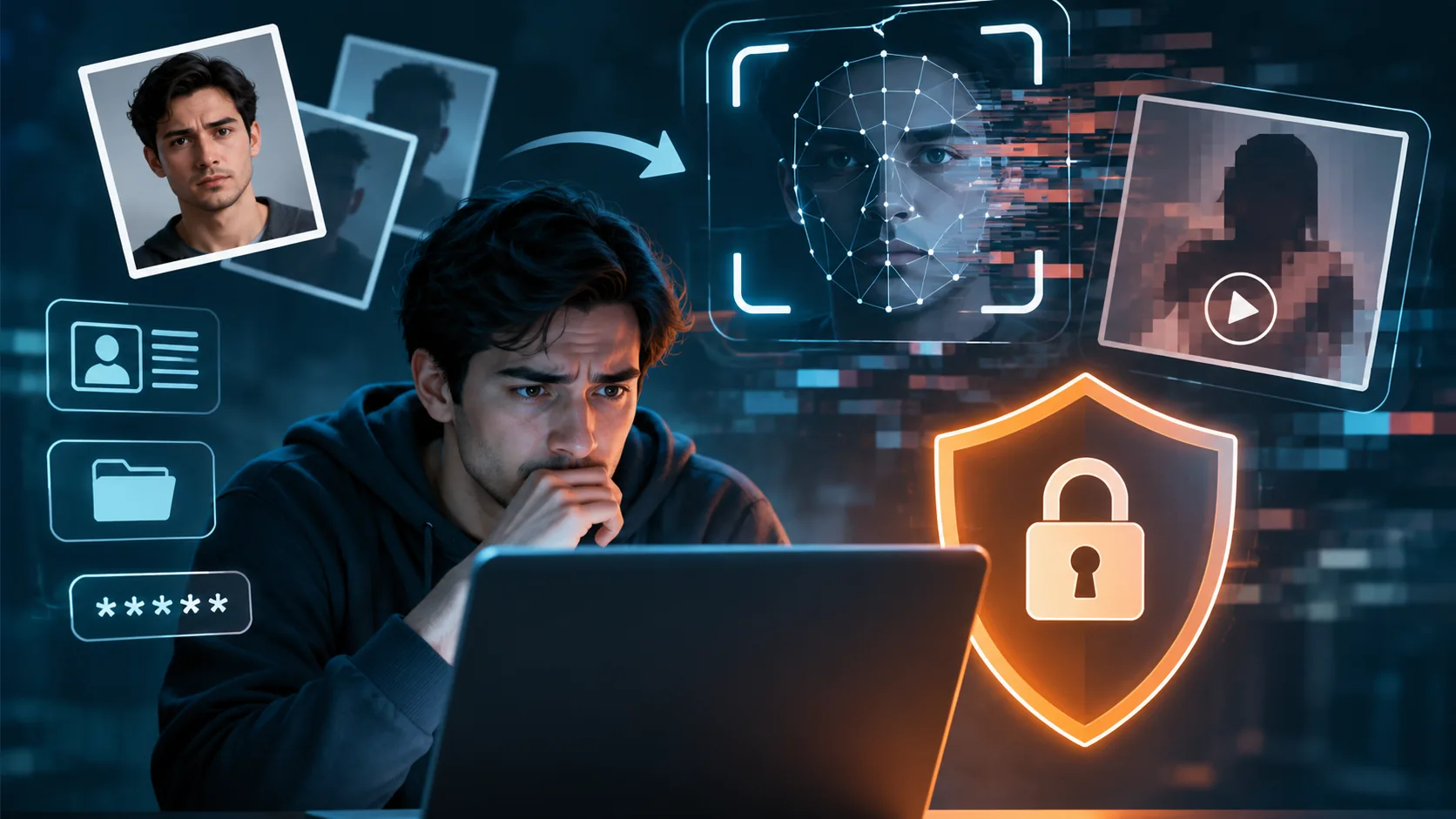
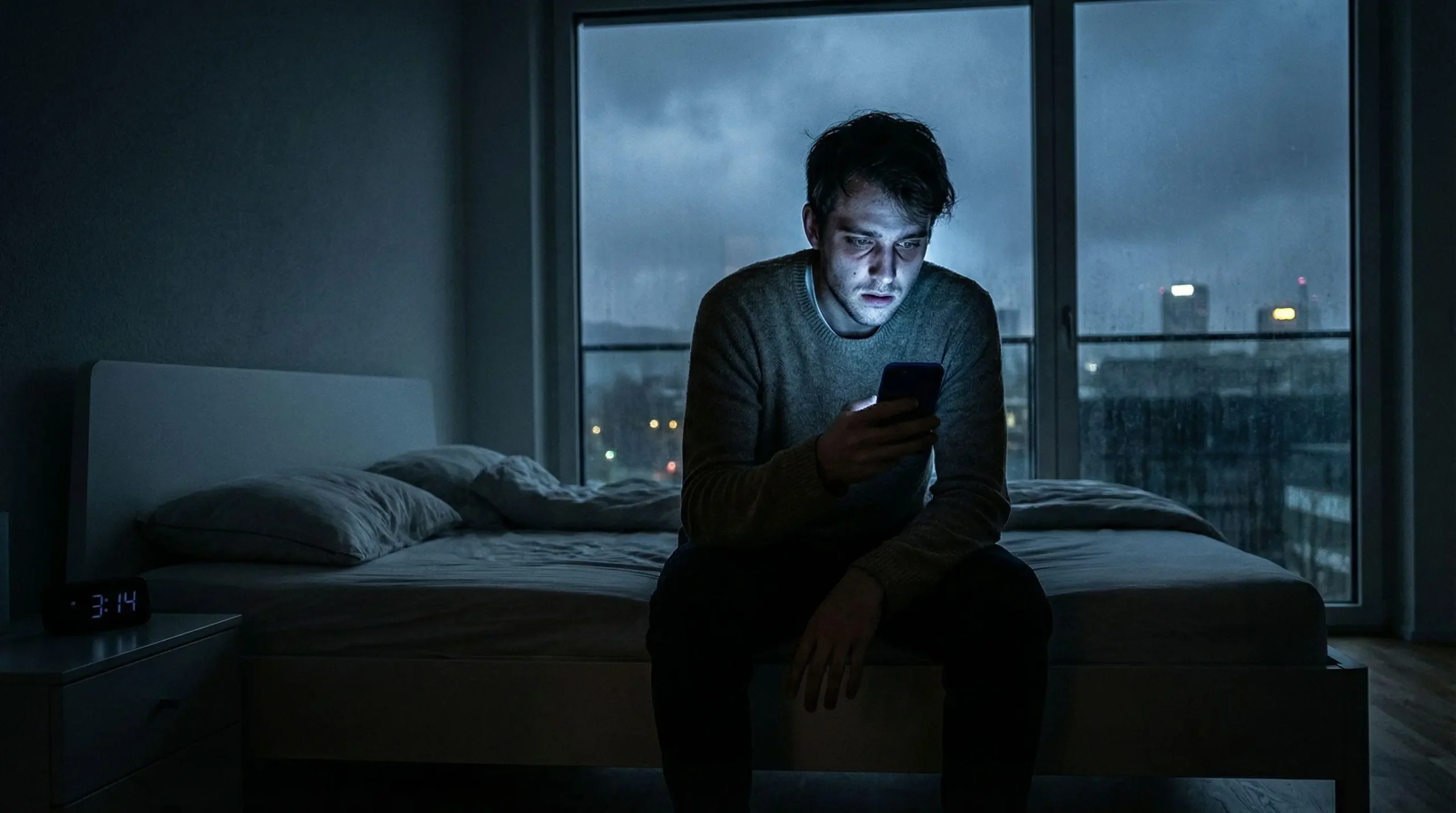
Porn use shame can be difficult to talk about. Watching porn might leave you feeling guilty, frustrated, anxious, or disappointed. If this occurs regularly, it can begin to impact self-confidence, relationships, emotional wellbeing and control of the behaviour.

Feeling guilty for watching porn does not necessarily mean that you have a mental health issue or addiction. Everyone has different views and values on pornography. The key thing to consider is how pornography is impacting your life, emotions and decision making.
Understanding how and why watching pornography can cause guilt can help you understand if and how to change whilst avoiding excessive self-blame.
Porn Use Shame: What to Understand First
Quick takeaways
- Feeling guilty about porn does not automatically mean addiction or a mental health disorder.
- Look at control, distress, and effects on sleep, work, relationships, and daily responsibilities.
- Shame and self-criticism can make it harder to seek support or learn from setbacks.
- Practical change can include identifying triggers, adding digital barriers, and building healthier coping options.
Why Might Watching Porn Cause Guilt and Impact Mental Health?
Depending on the individual, watching pornography may or may not cause issues. Some people may not experience any issues, while others may begin to struggle with emotional issues, controlling the behaviour, or conflicts with their values.
Guilt differs from just feeling bad for doing something. When feeling guilt, you may start to think that “There is something wrong with me.”
This can affect self esteem, confidence and emotional wellbeing.
If watching pornography is a regular occurrence, and you are struggling to stop in spite of wanting too, you may begin to doubt your self-control, character or ability to change. If, in addition to this, you are beginning to be very hard on yourself, feel very isolated and hopeless, this could increase emotional distress.
An issue of pornography and mental health can be a two-way relationship. If you are feeling lonely, stressed, anxious or sad, you may turn to pornography in order to feel better. If we are not addressing the underlying emotions, however, we may continue to watch pornography leading to guilt and/or disappointment.
Note that it is not necessarily the case that watching pornography causes mental health problems. Complex interactions can be occurring in this scenario, and many factors may contribute.
Why Might Watching Porn Cause Guilt?
Everyone has different values, expectations, experiences and ways of incorporating pornography into their lives meaning there is no one answer to this question.
1. In Conflict With Values
Some people may find that watching pornography is conflicting with their personal, cultural, religious or relationship values. As a result, watching pornography may leave them feeling uncomfortable.
This can lead to guilt and emotional difficulties. If this behaviour is occurring regularly, in spite of wanting to avoid it, this may create significant negative emotions.
2. Breaking Promises To Yourself
Many people may give themselves a promise to stop watching pornography, or reduce the amount of time they spend on pornography/ specific sites. If you break this promise then you may feel disappointed with yourself.
If this occurs multiple times and you continue to relapse, you may begin to feel helpless. Over time, this can cause a decrease in confidence in making decisions for yourself.
3. Fear Of Being Found Out
Since watching pornography is often done in private, you may be concerned about being found out by your partner, family members, friends or work colleagues.
As a result of this, you may be keeping this behaviour secret causing you to feel anxious. Even if nobody finds out, you may still be very worried about being judged. Therefore, the fear of being found out may be impacting your peace of mind.
4. Comparisons
Watching pornography can create very unrealistic expectations for the way people appear, perform sexually and relationships in general.
Comparing yourself to pornography can therefore make you feel inadequate in your body, in the experiences that you have or in your relationships. This can cause you to feel less confident and dissatisfied with yourself.
5. Lack Of Control
People who regularly watch pornography for more than intended, or struggle to stop, despite negative consequences, may be very distressed.
You may be frustrated with how much time you have spent watching pornography, how it is impacting on your responsibilities, or that you are struggling to stick to the boundaries you wanted to set for yourself.
If this is continuing to happen, a strong feeling of guilt may occur. This may be causing a negative impact on your mental health.
Porn Use Shame and Addiction: Does Watching Porn Indicate an Addiction?
Not necessarily.
Everyone experiences pornography differently. Simply watching pornography regularly does not necessarily mean that you are experiencing a problem. Some people may only watch pornography occasionally, but may still be left feeling distressed. Others may watch pornography more regularly, but may not be experiencing any significant negative effects.
Key factors to consider include:
If you are struggling to control consumption, are making attempts to stop but failing to do so, neglecting responsibilities, or continuing despite negative impacts on your relationships, work, sleep, or mental health, you may be experiencing a problem.
Some people may be feeling guilty due to pornography conflicting with their personal/religious values. Although this is a serious issue to be feeling, it does not necessarily mean that they have a compulsion or addiction.
Try not to label yourself due to feeling guilty. Understanding what is happening can help you to make healthier choices.
| Pattern to notice | What it may look like | Question to ask yourself |
|---|---|---|
| Time and control | Watching longer than planned or repeated unsuccessful attempts to stop | Am I able to follow the boundaries I set? |
| Daily functioning | Sleep, work, studies, or responsibilities are being affected | What is this habit costing me? |
| Emotional coping | Using porn mainly to escape stress, loneliness, sadness, or boredom | What feeling or situation am I trying to avoid? |
| Relationships | Secrecy, conflict, trust concerns, or intimacy issues | Is this consistent with the relationship boundaries I want? |
| Continued despite harm | Repeating the behavior while noticing negative consequences | What support or change could help interrupt this pattern? |
When Can Watching Porn Be An Issue?
For some people, porn use shame becomes a concern when viewing habits feel difficult to control or conflict with personal goals. Look at the impact on daily functioning—not frequency alone.
Watching pornography may be an issue if it is impacting your life, or you are finding it difficult to make decisions.
Look out for the following:
Watching For Longer Than Intended
You may intend to watch pornography for a short time, however end up watching for significantly longer. This may be impacting your sleep, work, studies or responsibilities.
Struggling To Stop
You may be making attempts to reduce the amount of pornography you watch or stop completely, but still find that you are continuing to watch.
Watching To Cope With Feelings
You may be using pornography as a method of coping with stress, loneliness, boredom, anxiety, frustration, or sadness.
Whilst this may help in the short-term, it may not be helping with the underlying issue.
Issues Within Relationships
Depending on the people involved and boundaries, pornography may be causing conflict within the relationship, a lack of trust, or issues with intimacy.
Continuing Despite Negative Impacts
If you are noticing that watching pornography is having a negative effect on your sleep, productivity, relationships or mental health, but still continue with the behaviour, it may be a good idea to take a closer look.
It is important to consider whether or not you are making decisions that you feel in control of, and if this matches with what kind of life you want to live.
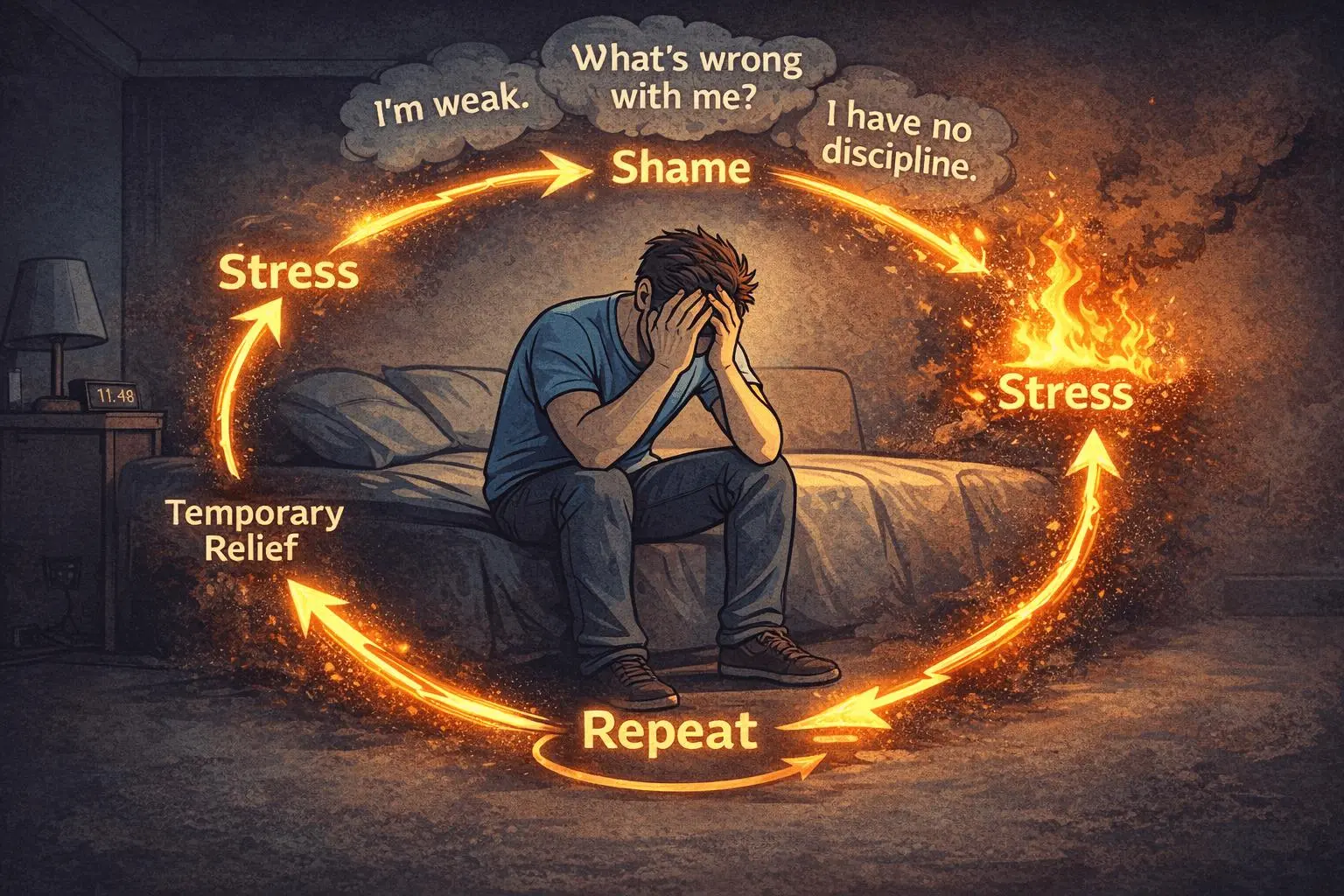
The guilt cycle
1. Unpleasant feelingsStress, loneliness, boredom, anxiety
2. Turn to pornTemporary distraction or relief
3. Guilt or disappointmentFeeling upset after watching
4. Self-criticismHarsh thoughts and blame
5. More distressEmotions build, restarting the cycle
The cycle can be interrupted by recognizing the trigger, creating a pause, and choosing another response.
Guilt Cycle

Guilt can get into a cycle which makes it difficult to change this behaviour.
1. Unpleasant Feelings
You may be feeling stressed, lonely, bored, anxious or other unpleasant emotions.
2. Turning To Pornography
In order to distract yourself, or to make you feel better in the moment, you turn to pornography.
3. Guilt Or Disappointment
After watching pornography, you begin to feel guilty, disappointed or unhappy with yourself. Especially if you were intending to not watch pornography.
4. Being Harsh With Yourself
You may be being very harsh with yourself. You may be thinking that you lack will power, that you will never change, or that you are a bad person.
5. Strong Negative Feelings
With these negative feelings, you may be feeling overwhelmed. In order to cope with these, pornography may seem like a good option once again. The cycle may continue.
Recognising that this may be occurring can help you to understand why relying on will power may not be effective. Often breaking this cycle includes learning strategies to manage the triggers, difficult emotions and situations.
Can Guilt Make Watching Porn Worse?
For some people, guilt can make it more difficult to make positive changes to problematic behaviours.
By being very harsh with yourself, you may begin to feel increasingly stressed, isolated and overwhelmed. Instead of considering why the behaviour occurred, and how you may wish to change it in future, you may be focussing on punishing yourself.
This can lead to avoidance. You may stop talking about this issue, hide how you are struggling or avoid asking for support due to embarrassment.
It is important to be kind to yourself. This doesn’t mean ignoring the consequences of the behaviour, or convincing yourself that everything is okay. It means taking responsibility for the behaviour, but being kind to who you are as a person.
Even though a behaviour may be harming you, you can still recognise that you deserve support and that you can make positive changes in the future.
How To Cope With Feeling Guilty For Watching Porn
Helpful BlockerX guides
If pornography is impacting your mental health, there are steps you can take to start improving this behaviour.
1. Consider Triggers
Consider when you are most likely to watch pornography. This may be when you are alone late at night, stressed, using your phone in bed, bored or scrolling social media.
By knowing what may trigger you to watch pornography, you can put strategies in place to help.
2. Do Not Define Yourself By This Behaviour
Just because you watch pornography, does not mean you have a certain personality, or that you lack value as a person.
Instead of thinking “I am a failure,” try to be more accurate with your thinking. Try saying “I did something I don’t feel good about.” This can help to reduce unnecessary guilt.
3. Create A Supportive Environment
To help avoid unwanted pornography use, make changes in your environment. Block inappropriate content, remove triggering accounts from social media, avoid using your phone in bed, and create healthier evening routines.
Making small changes in your environment can help you to make the changes you want.
4. Develop Healthier Coping Mechanisms
If you are using pornography to cope with difficult emotions, try developing new coping mechanisms.
Go for a walk, do some exercise, write in a journal, listen to music, talk to a trusted person, or complete a meaningful activity. This can help you to deal with your emotions in a different way.
Instead of immediately reaching for pornography during difficult emotions, try to realise that you can cope with these feelings.
5. Avoid An ‘All Or Nothing’ Attitude
If you have fallen back into watching pornography whilst trying to quit, it does not mean that you have made no progress.
Rather than interpreting this as a sign that you cannot change, try to understand what has caused this behaviour. Consider what you can change in the future to make better decisions.
Improving this behaviour is a gradual process which involves increasing your awareness, making better decisions, and improving coping strategies.
6. Speak To A Trusted Person
If you are feeling guilty, it can often feel worse when you feel as though you must keep it a secret.
Speaking to a trusted friend, counsellor, therapist or mental health professional can allow you to process how you are feeling in a non-judgmental manner. If you are uncomfortable, you do not have to give too much detail.
Getting support with this can reduce feelings of isolation.
7. Get Professional Support
If you are finding that watching pornography is difficult to control, causing you significant distress, or impacting your relationships, work, sleep or daily life, it may be a good idea to speak to a mental health professional.
A qualified therapist can help you understand this behaviour, understand any underlying emotional issues, and create strategies to manage compulsive behaviours.
Related guides from BlockerX
How To Make Positive Changes Without Feeling Guilty
A healthier approach to porn use shame is to separate the habit you want to change from your worth as a person.
You do not have to make changes to your porn habits by being guilty, harsh or negative towards yourself.
Focus on being respectful to yourself. Try to consider what positive changes you would like to make, and not what you consider wrong with yourself.
Make realistic goals. Create healthy routines for both your mental and physical health. Be aware of triggers, and be proud of the little changes you make. If you slip up, use this as an opportunity to understand your behaviour, rather than getting discouraged.
If you are trying to stop watching pornography, your progress can be measured in many ways. It may improve your control of emotions, sleep, meaningful relationships, confidence, and allowing you to cope with the urge to watch without feeling overwhelmed.
It is okay to make mistakes.
What Research Says
Research and clinical resources
- WHO ICD-11: Compulsive Sexual Behaviour Disorder
- Assessment and treatment of compulsive sexual behavior disorder – Sexual Medicine Reviews (2024)
- Psychiatric disorders and sexual medicine – International Consultation on Sexual Medicine (2024)
Research in this area is complex. It has been found that there may be links between problematic pornography use and psychological distress, anxiety, depression, and relationship issues.
However, this does not necessarily mean that pornography is causing mental health issues. Many factors may be contributing to people’s experiences of watching pornography, including pre-existing emotional issues, compulsive behaviour, personal values, relationship situations and how the pornography is being used.
It is also important to consider the difference between problematic behaviours, and distress primarily caused by moral or personal conflict. If you are feeling guilty, you may still benefit from emotional support, even if your behaviour does not meet the clinical criteria of a disorder.
Knowing the difference in these cases can help people understand this topic in a clearer way, and not assume everyone who watches pornography has a mental health issue.
Explore the research
- Problematic Pornography Use and Mental Health: A Systematic Review (2024) — reviews evidence and notes that the relationship with mental health is not straightforward.
- Pornography Problems Due to Moral Incongruence: A Systematic Review and Meta-Analysis — examines distress related to conflicts between behavior and personal values.
- Clarifying and Extending Understanding Through Lived Experience — qualitative research exploring participants’ experiences, including inner conflict and distress.
- WHO ICD-11 — official classification information for compulsive sexual behaviour disorder.
FAQs
Can watching pornography cause guilt and depression?
Watching pornography does not automatically cause depression. However, some people may feel guilt, emotional difficulties, relationship issues, or a lack of control over this behaviour. This may impact wellbeing. Depression can also cause people to turn to pornography as a coping mechanism.
Why do I feel guilty every time I watch pornography?
This may be due to your personal values, personal/religious beliefs, relationship boundaries, unmet expectations, or a lack of control over this behaviour. Considering why you may be feeling guilty can help you to decide what changes you would like to make.
Does feeling guilty about watching pornography mean I have an addiction?
No. Feeling guilty does not mean that you have an addiction. Problematic behaviour is more likely linked to a lack of control, repeated behaviour and major impacts.
How can I stop feeling guilty for watching pornography?
Try to understand why you are feeling guilty. Be aware of your emotions, and what may be causing this behaviour. Focus on making realistic changes. If the guilt is becoming overwhelming, it could be helpful to seek professional support.
Can stopping pornography improve my mental health?
Some people find that cutting down or stopping problematic pornography use improves their mood, concentration, confidence, sleep and relationships. However, this can vary from person to person. Simply reducing pornography may not fix underlying mental health issues.
Should I seek therapy for my pornography use?
If this behaviour is causing you significant distress, or is difficult to control, or is impacting upon your daily life, it may be helpful to get support from a therapist. A mental health professional can support you in a non-judgemental way, and can help you to form healthier coping strategies.
Final Thoughts
Understanding porn use shame is not about blaming yourself; it is about recognizing emotional patterns, control, and the support that may help you move forward.
Issues with pornography, guilt and mental health can be quite complex. Watching pornography may be a way of coping with difficult emotions, but can cause guilt, meaning that you are left with the same difficult emotions that caused you to watch in the first place.
Understanding this can help you to make positive changes.
You do not have to be negative towards yourself to make changes in this behaviour. Acknowledge that something isn’t working for you, be responsible for the choices you make, and make positive changes without feeling like you’re a failure.
If pornography is affecting your mental health, consider what is causing you to watch it, create healthier routines and seek support.
Changes can be made with awareness, and you do not need to go through this alone.