How to Quit Porn Addiction: 9 Smart, Practical Steps
How to Quit Porn Addiction: 9 Smart, Practical Steps
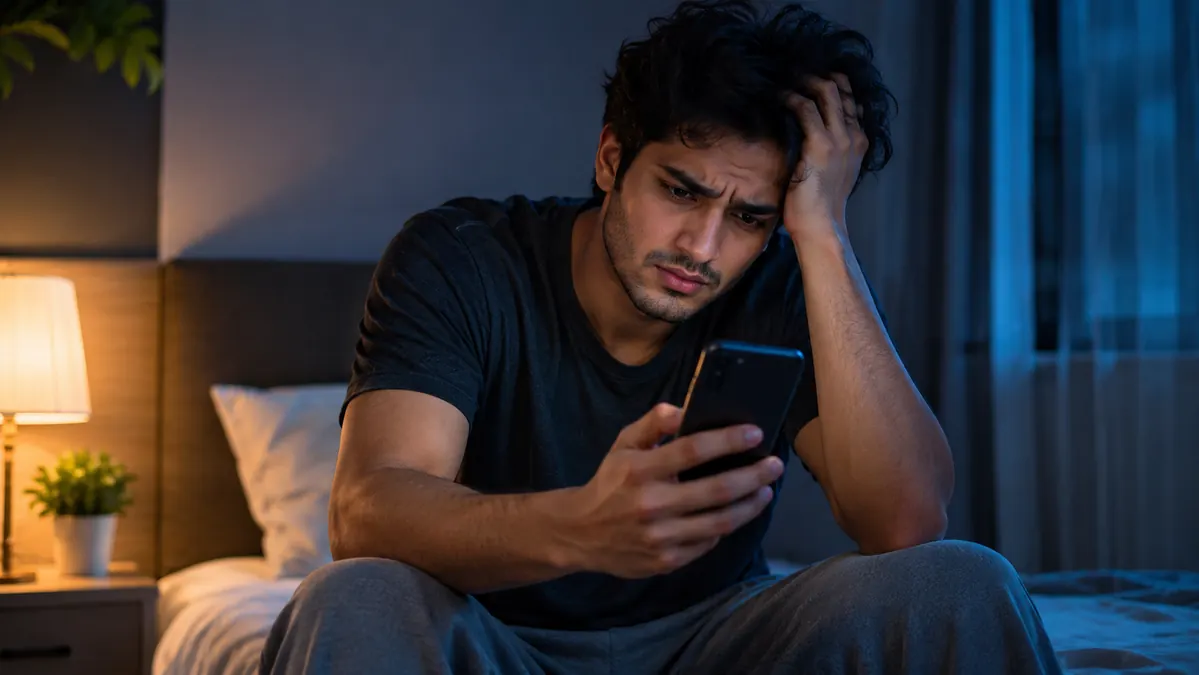
Trying to quit pornography but finding yourself returning to it again and again? Making another promise to never watch porn may feel motivating initially, but it does not always lead to lasting change.
Learning how to quit porn addiction starts with understanding your behaviour, identifying your triggers, and developing realistic strategies to manage urges. Instead of relying entirely on willpower, you need a plan that addresses the situations, emotions, and habits that keep bringing you back to pornography.
Whether your goal is to stop watching porn completely or reduce your consumption, meaningful progress starts with understanding what works for you.
This guide explores nine practical strategies to help you change your habits, manage porn urges, prevent relapses, and recognise when professional support may be helpful.

Remember: There is no universal timeline for changing pornography habits. A lapse does not erase your progress. Focus on understanding your behaviour and making improvements one step at a time.
1. Understand Your Porn Consumption Habits
Before trying to change a behaviour, understand when, where, and why it happens.
Spend one week observing your pornography consumption habits. Instead of criticising yourself, pay attention to the circumstances that make you more likely to experience an urge.
Consider tracking the following:
- Time: When do you usually experience porn urges? Is it late at night, early morning, or during breaks?
- Location: Does it happen more frequently in your bedroom or when you are alone?
- Device: Do you primarily use your smartphone, laptop, or another device?
- Emotions: Are you feeling stressed, lonely, bored, anxious, or frustrated?
- Previous activity: What were you doing immediately before experiencing the urge?
Some common triggers include:
- Feeling lonely or disconnected.
- Experiencing stress after an argument.
- Scrolling social media late at night.
- Procrastinating on important tasks.
- Spending extended periods alone.
- Having unrestricted access to adult content.
Recognising these patterns helps you understand what purpose pornography serves in your daily life.
For some people, it provides temporary stress relief. For others, it offers entertainment, excitement, emotional comfort, or an escape from boredom.
Once you understand the underlying reason, you can begin replacing the behaviour with alternatives that address the same need.
2. Define Exactly What You Want to Change
A vague promise such as “I want to get my life together” is unlikely to provide enough direction when you experience an urge.
Instead, establish a specific and realistic goal.
Your desired outcome might involve:
- Stopping pornography consumption completely.
- Avoiding pornography during working or studying hours.
- Removing pornography from specific devices.
- Changing late-night browsing habits.
- Reducing consumption while monitoring your behaviour.
There is no universally correct goal. What matters is choosing an outcome that reflects your personal values and circumstances.
Try completing this statement:
My two-week commitment:
“For the next two weeks, I will __________ because I want to __________.”
For example:
“For the next two weeks, I will keep my phone outside my bedroom at night because I want to improve my sleep and stop my late-night pornography habit.”
Make sure your motivation is personal. Improving concentration, getting better sleep, strengthening relationships, or living according to your values can provide meaningful reasons to change.
Review your goal regularly and adjust it when necessary. A well-defined goal makes it easier to recognise progress and identify what needs improvement.
3. Change Your Environment and Limit Easy Access
One of the most practical ways to stop watching porn is to make the behaviour less accessible.
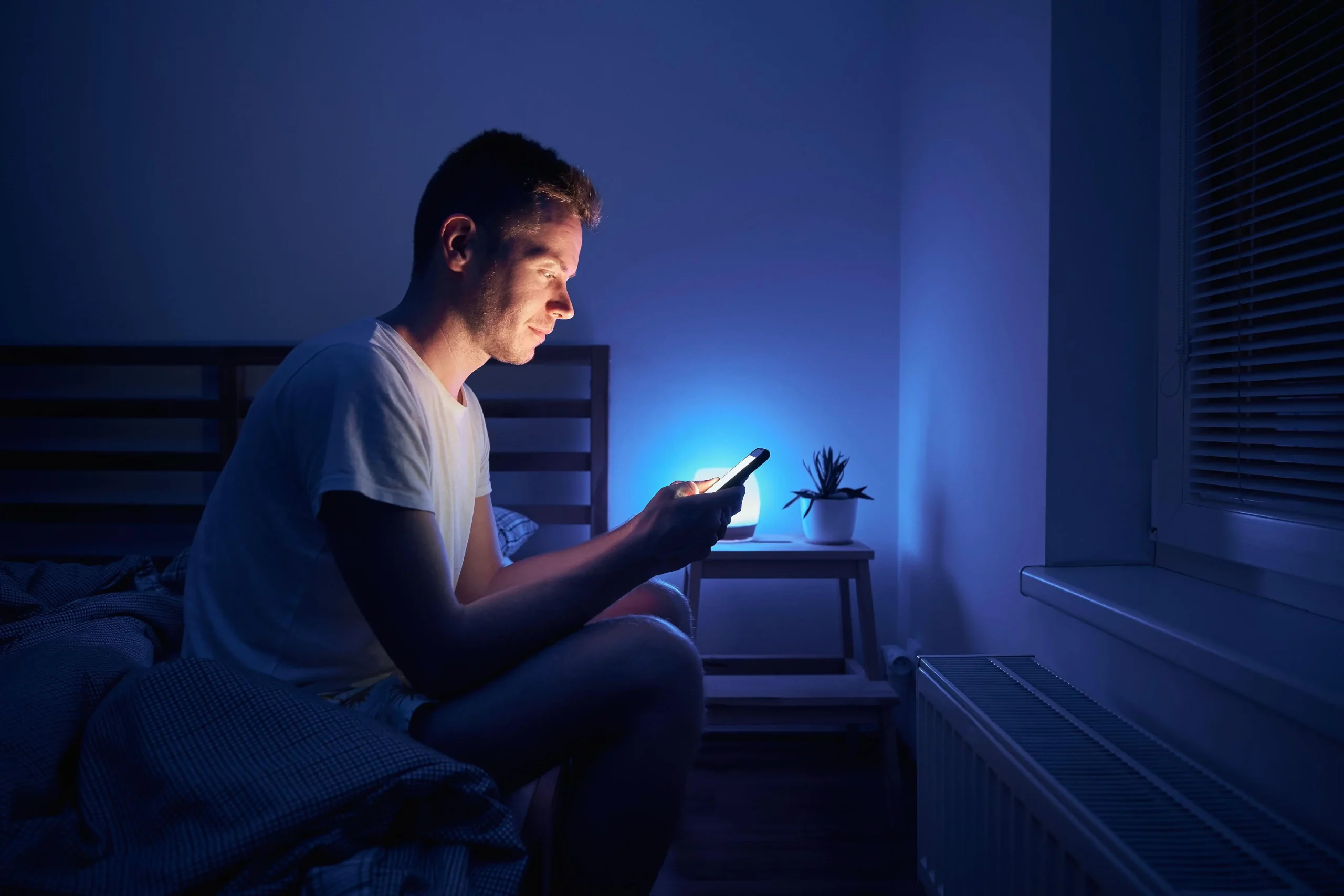
When pornography is only one click away, relying entirely on willpower can become difficult, particularly when you are tired, stressed, or alone.
Instead of constantly fighting temptation, change your surroundings to reduce unnecessary opportunities.
Try these practical adjustments:
- Keep your smartphone outside your bedroom while sleeping.
- Delete bookmarks, saved links, and accounts that lead you to adult content.
- Enable appropriate content filters and screen-time restrictions.
- Create a separate browser profile for work and studying.
- Avoid using your phone when you are bored or unable to sleep.
- Prepare a list of alternative evening activities.
- Consider using a website blocker to create additional barriers.
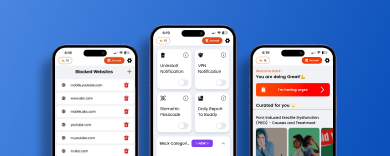
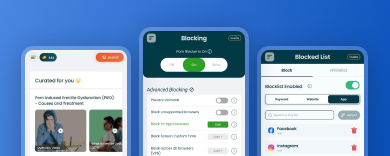
Technology can also support your efforts. Tools such as BlockerX’s guide to blocking adult websites on Google Chrome can help you understand how to restrict access to adult websites.
You can also explore the BlockerX app for additional digital restrictions.
However, remember that porn blockers are supporting tools, not complete solutions. They cannot address underlying emotional difficulties, guarantee that every access route is blocked, or replace professional help when needed.
Before installing any blocking software, review its current functionality, permissions, and privacy policy.

4. Learn How to Respond to Porn Urges
Experiencing a porn urge does not mean you have to act on it.
Urges can feel intense, particularly when they are associated with familiar routines. However, you can learn to recognise them, pause, and choose how to respond.
One practical approach is to delay your response for 10 minutes and change your surroundings.
Try this 10-minute urge management technique:
- Acknowledge the urge: Recognise what you are experiencing without judging yourself. For example, “I am experiencing an urge because I feel stressed.”
- Slow down your breathing: Place both feet firmly on the ground and take a few slow breaths.
- Change your surroundings: Stand up, leave your bedroom, or move somewhere you are less likely to engage in the behaviour.
- Choose an alternative activity: Walk, take a shower, exercise, or contact a friend for the next 10 minutes.
- Reassess: After the break, evaluate how you feel. You can take another break or choose a different activity.
This technique creates a gap between experiencing an urge and acting on it.
You do not need to eliminate every sexual thought. The goal is to develop the ability to make conscious decisions even when uncomfortable feelings or urges arise.
For more practical techniques, read our guide on how to resist urges to watch pornography.
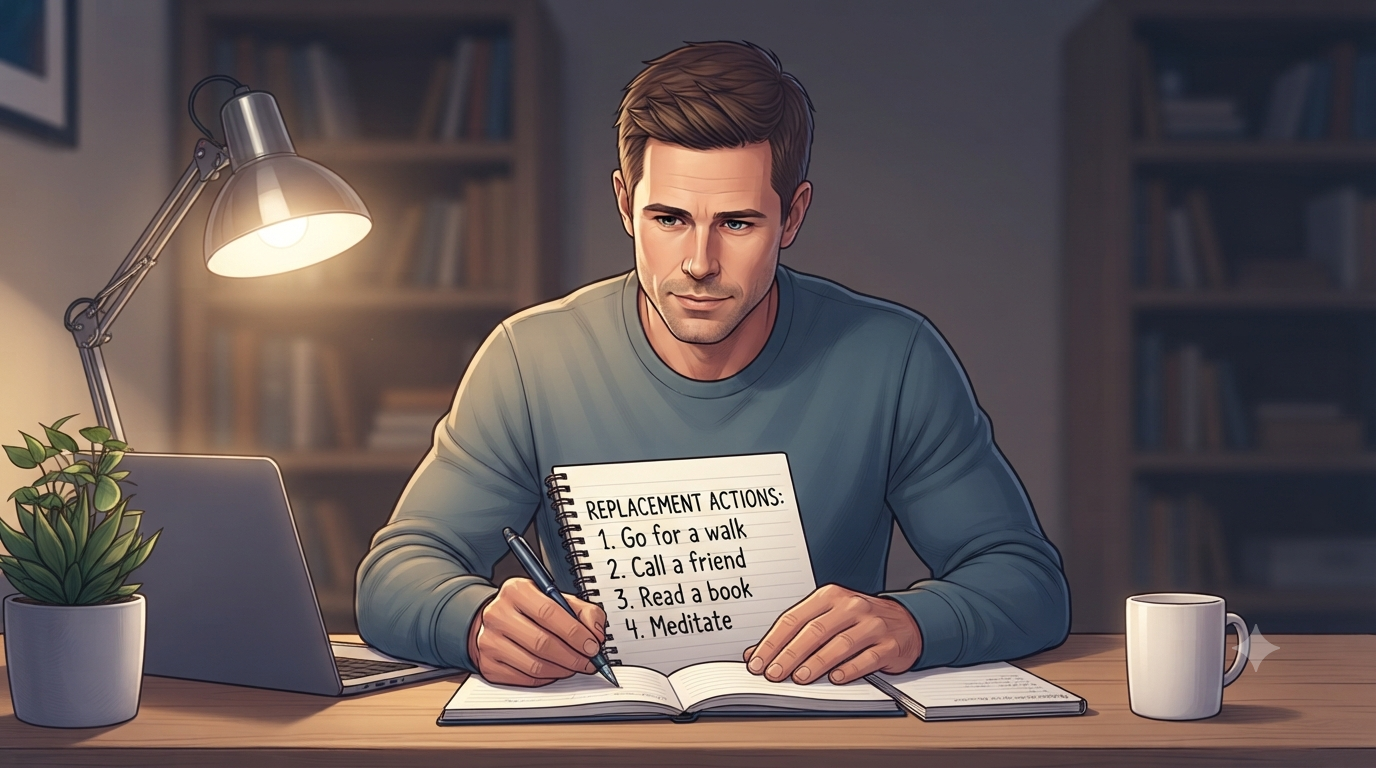
5. Replace Pornography With Healthier Alternatives
Simply telling yourself to stop watching pornography does not automatically give you something else to do when the urge appears.
This is why developing alternative behaviours is important.
For example, if you usually watch pornography after midnight, telling yourself to become more productive may not be realistic when you are tired.
A more practical alternative could be charging your phone outside your bedroom and listening to a 15-minute audio story before sleeping.
Build a list of alternative activities
Choose activities based on what you are experiencing at that moment.
- When bored: Read a book, learn a skill, cook something, or work on a personal project.
- When stressed: Go for a walk, practise slow breathing, listen to music, or take a relaxing shower.
- When lonely: Call a friend, spend time with family, or participate in a social activity.
- When physically restless: Exercise, stretch, or engage in a physical hobby.
- When tired at night: Put your phone away, follow a bedtime routine, or listen to something relaxing.
The best alternative is not necessarily the most productive activity. It is the one you can realistically follow when the urge appears.

Try to organise your daily routine around your known triggers. If boredom is a common trigger, plan an activity before your usual vulnerable period. If loneliness is involved, arrange genuine social interaction.
6. Accept Relapses and Learn From Them
One of the biggest challenges when trying to quit pornography is knowing how to respond when you return to the behaviour.
A relapse can feel discouraging, especially after several days or weeks of progress. However, it does not automatically mean that you have failed or lost everything you have achieved.
What matters is how you respond afterwards.
What should you do after a relapse?
Instead of blaming yourself, examine what happened before the behaviour.
Ask yourself these questions:
- What was I doing during the hour before the relapse?
- Was I feeling stressed, lonely, bored, or anxious?
- Which device or application made the behaviour easier?
- Did I ignore an earlier warning sign or urge?
- What is one change I can make to prevent a similar situation?
For example, instead of saying, “I have no self-control,” identify the specific issue:
“I decided to sleep, but continued scrolling through my phone while lying in bed. Next time, I will leave my phone outside the bedroom.”
This gives you something practical to improve.
Avoid the all-or-nothing mindset
One lapse does not erase the progress you have made. Avoid using guilt or shame as motivation, as these feelings can sometimes encourage further avoidance and concealment.
Review your strategy every week. Identify what worked, what you struggled with, and which environmental changes were helpful.
Change one or two elements at a time so you can understand whether your adjustments are making a difference.
You do not need to punish yourself or treat a streak counter as a measure of your personal worth.
7. Improve Your Sleep, Emotional Wellbeing, and Daily Routine
Changing pornography habits involves more than restricting access to adult websites.
Your daily routine, sleep quality, emotional wellbeing, and social environment can also influence your ability to manage unwanted behaviours.
For some people, poor sleep, extended periods of isolation, and unmanaged stress can make behaviour change more difficult.
Consider introducing a few healthy routines:
- Wake up and go to bed at reasonably consistent times.
- Include physical activity in your daily schedule.
- Spend some time outdoors, preferably in the morning.
- Reduce unnecessary screen time before sleeping.
- Make time for hobbies and meaningful social interactions.
- Address stress instead of relying entirely on digital distractions.
You can also experiment with a digital detox. This does not necessarily mean avoiding all technology. It may simply involve limiting one application, reducing unnecessary browsing, or creating periods without digital devices.
Explore our digital wellbeing and productivity guides for additional ideas on building healthier technology habits.
The objective is to develop a balanced relationship with technology rather than treating every digital activity as a problem.
8. Consider Professional Help When Necessary
Self-directed strategies can be helpful, but they are not always sufficient.
If repeated attempts to change your pornography habits have been unsuccessful, professional support may be worth considering.

Consider speaking with a qualified mental health professional if pornography use is:
- Interfering with your work, studies, or daily responsibilities.
- Creating significant difficulties in your relationships.
- Disrupting your sleep or financial wellbeing.
- Associated with persistent anxiety, depression, or emotional distress.
- Continuing despite repeated attempts to change the behaviour.
Does therapy help problematic porn use?
Cognitive Behavioural Therapy (CBT): CBT can help identify connections between situations, thoughts, emotions, and behaviours. It can also help individuals develop practical strategies to change unwanted behavioural patterns.
Acceptance and Commitment Therapy (ACT): ACT focuses on recognising thoughts and feelings without automatically reacting to them. It also encourages individuals to make decisions that align with their personal values.
Research into treatments for problematic pornography use is still developing. Although some psychological approaches may be beneficial, the available evidence does not establish one universally effective treatment.
A qualified professional can also explore other factors that may influence the behaviour, including anxiety, depression, past experiences, and relationship difficulties.
When choosing a therapist, check their qualifications and experience. They should respect your personal values and recognise that not all pornography consumption or sexual behaviour is necessarily problematic.
9. Build a Support System Without Losing Your Independence
Trying to change a difficult habit entirely on your own can sometimes feel isolating.
Having someone you trust to talk to may provide encouragement, accountability, and emotional support.
However, support should be based on mutual agreement and clear boundaries.
Consider the following options:
- Talk to a trusted friend or family member.
- Seek guidance from a qualified therapist.
- Agree on regular check-ins with someone you trust.
- Join a suitable support community.
- Ask for encouragement when you are struggling with an urge.
If you choose to involve an accountability partner, discuss what information will be shared, how frequently you will communicate, and what type of support you expect.
Accountability should strengthen your independence, not create fear, embarrassment, or dependence on another person.
Similarly, if pornography use has affected intimacy or trust within a relationship, couples therapy may help both partners communicate their needs and boundaries respectfully.
Support should never involve unauthorised surveillance or attempts to control another adult.
A Simple Trigger-to-Response Plan
Understanding your triggers is only the first step. You also need a practical response for the moments when those triggers appear.
Use this simple planning aid to turn awareness into action.
1. IDENTIFY THE CUE
What triggered the urge?Example: Loneliness, boredom, stress, late-night scrolling.
↓
2. PAUSE
Acknowledge the urge and give yourself 10 minutes.Slow your breathing and avoid making an automatic decision.
↓
3. CHOOSE A REPLACEMENT ACTION
Walk, exercise, call someone, or leave your phone outside.Choose an activity that addresses your immediate need.
↓
4. REVIEW WHAT HELPED
Reflect on what worked and what you could change next time.Use the experience to improve your plan.
This is a practical planning aid, not a clinical protocol.
Frequently Asked Questions About Quitting Porn Addiction
1. How can I quit porn addiction if I keep relapsing?
If you repeatedly return to pornography, try to understand what happens immediately before the behaviour. Identify your triggers, modify the environment, and prepare an alternative activity for situations where urges are most likely to occur.
Rather than treating every relapse as a complete failure, use it to identify what needs to change. If self-directed efforts remain difficult or the behaviour is affecting your daily life, consider professional support.
2. How long does it take to overcome porn addiction?
There is no scientifically established universal timeline for changing pornography consumption habits. Progress depends on individual circumstances, behavioural patterns, personal goals, and available support. Focus on building sustainable habits rather than achieving an arbitrary number of days.
3. Are porn blockers effective?
Porn blockers can help restrict access to adult websites and create additional barriers between an urge and the behaviour. However, they are not foolproof and cannot address underlying emotional or psychological difficulties. They work best as part of a broader behaviour-change strategy.
4. Does therapy help with problematic pornography use?
Therapy can be helpful for some individuals. Approaches such as CBT and ACT have been explored for problematic pornography use, although research is still developing. A qualified mental health professional can help determine which approach may suit your circumstances.
5. Should I tell my partner about my pornography use?
There is no universal answer. However, if pornography use is affecting trust, communication, or intimacy, an honest and respectful conversation may be helpful. Consider your emotional and physical safety, establish boundaries, and seek couples therapy if conversations repeatedly become difficult.
6. What should I do when I get porn urges at night?
Start by changing your nighttime environment. Keep your phone away from your bed, avoid scrolling when you cannot sleep, and establish a consistent bedtime routine. If an urge appears, leave your bedroom, take a short walk, listen to an audio story, or try another relaxing activity.
7. Is watching pornography always an addiction?
No. Pornography consumption does not automatically indicate an addiction or mental health disorder. It is important to consider whether the behaviour involves persistent difficulty controlling consumption, significant distress, or negative consequences in everyday life. A qualified professional can help assess these concerns without judgement.
Final Thoughts: Focus on Progress, Not Perfection
Learning how to quit porn addiction is not simply about blocking websites or promising yourself that you will never watch pornography again.
It involves understanding your behaviour, identifying triggers, changing your surroundings, and developing healthier ways to respond to uncomfortable emotions and urges.
Start by defining a realistic goal. Observe your habits, make pornography less accessible, and prepare alternative activities for situations where you are most vulnerable.
If you experience a relapse, do not allow shame to determine your next decision. Examine what happened, identify one practical adjustment, and continue working towards your goal.
Most importantly, recognise when additional support may be necessary. A qualified professional can help you address underlying difficulties and develop a suitable approach.
Progress is not measured by a streak counter or a perfect record. It is about developing greater awareness, making intentional decisions, and building habits that support the life you want to lead.
Take Control of Your Digital Habits
Make your digital environment work towards your goals. Explore tools and resources that can help you create healthier browsing habits.Explore BlockerX