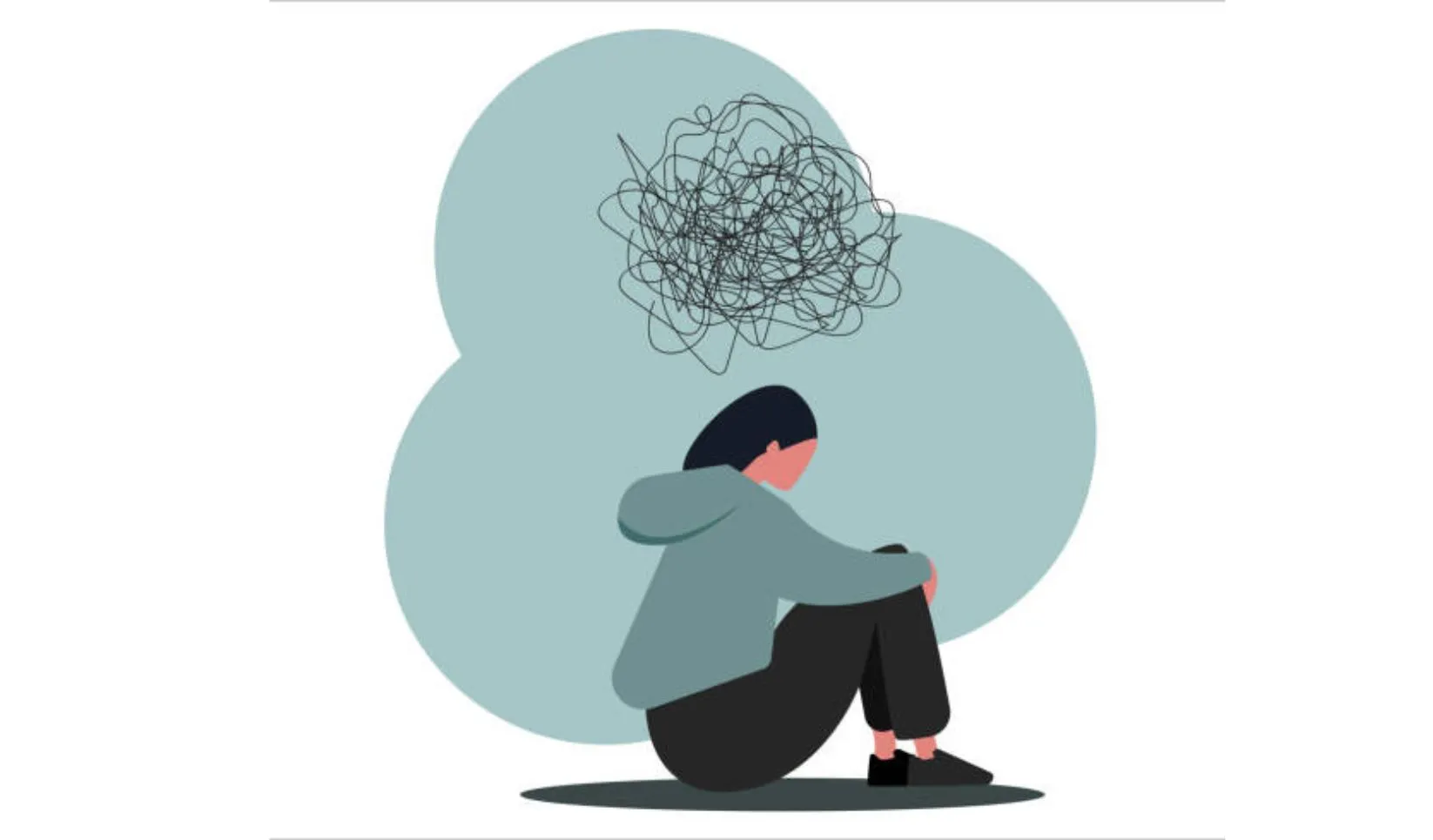

An Addictive Personality: Top 5 Characteristics
My recent blog article discusses addictive personalities. I can relate to this problem on a personal level as someone who is a recovering addict. In all honesty, I’ve spent hours reading, pondering, and talking to experts regarding addictive personalities and how they affect our everyday lives.
And I’ve successfully found the top 5 addictive personality traits from my very own observations. Substance misuse, gambling, gluttony, and shopping are some examples of these tendencies. Addicts have these traits regardless of their addiction.
If you’ve ever wondered why you’re drawn to particular hobbies or drugs or if you’re fascinated by addictive personalities, this article is for you. Relax, and let’s explore addiction’s interesting and intricate world.
What is an addictive personality?
An addictive personality is basically a group of behaviors that predisposes any person to addiction. It’s actually a behavioral phrase and not a medical condition.
Addicts are naturally impulsive, sensation-seeking, and hard to regulate. Addiction may help them deal with anxiety, sadness, or poor self-esteem.
Drugs, alcohol, gambling, obsessive eating, shopping, and exercise are all addictive. These actions temporarily relieve stress but lead to addiction and harmful consequences.
An addictive personality doesn’t inevitably lead to addiction. Yet, it suggests individuals may be more susceptible to addiction and should be careful and mindful of their activities.
What is the link between genetics and addiction?
Genetics and addiction are complicated and interesting. Addiction runs in families, according to research. This is because some genes may predispose people to addiction and may be passed down.
Addiction isn’t only caused by genetics. Stress, trauma, and societal forces may also cause addiction.
Remember that a hereditary susceptibility to addiction does not guarantee an addiction. Many individuals with addiction genes never take drugs.
How to know if you have an addictive personality?

Identifying an addictive personality might be difficult, but there are several symptoms. Consider these:
Addiction: If you can’t control your inclinations, even when you know they’re bad for you, you may have an addicted personality.
Obsessive thinking: Does preoccupation with specific activities or drugs interfere with your regular life? This might suggest addiction.
Tolerance and withdrawal: If you require more and more of a drug or activity to have the same impact or suffer withdrawal symptoms when you cease, you may be addicted.
Interpersonal issues: Addiction may generate isolation, disagreements, and broken promises.
What are the treatment options for an addictive personality?

Depending on the kind of addiction and the individual’s circumstances, addiction therapy might be difficult.
Therapy is a frequent addiction treatment. Cognitive-behavioral therapy (CBT) is a common method for identifying and changing addictive thinking patterns and behaviors. Group, family, and motivational interviewing may also help.
Medication may relieve withdrawal and cravings. Acamprosate and disulfiram treat alcohol addiction, whereas buprenorphine, naltrexone, and methadone treat opioid addiction.
Addicts benefit from counseling, medicine, and lifestyle modifications. Regular exercise, yoga, meditation, and good behaviors like eating well and getting enough sleep might help prevent a recurrence.
How to Break the Cycle and take steps for a healthier life?
Changing the pattern and living healthy may be difficult but rewarding. It demands effort, commitment, and flexibility. Here are some customized travel tips:
Start Modestly and create manageable goals: Don’t remodel your whole life at once. Instead, make incremental, lasting adjustments. Start by eating more fruits and vegetables and walking every day.
Plan: Determine your objectives’ activities. List and schedule them. Planning helps you remain on track and reduce stress.
Help: Talking to someone about your trip may help. This might be a friend, relative, therapist, or personal trainer.
Mind your thoughts and emotions: They might affect your actions. Mindfulness and self-reflection help you understand how your internal experiences affect your health.
Celebrating your triumphs, no matter how minor, may drive you to keep going.
Final Words
In conclusion, understanding an addictive personality may help people recognize their risk factors and lessen their addiction risk. Addiction is caused by heredity and environmental variables including upbringing and social support.
Recognizing the signs and symptoms of addiction and getting expert assistance may help break the pattern and lead to a better, happier life. Never wait to get treatment and improve your life. Recovery is achievable with proper care.