4 Real Side Effects of Watching Porn (That Have Nothing to Do With Shame)
4 Real Side Effects of Watching Porn (And What Actually Helps) — 2026

Desensitization, relationship strain, compulsive use, premature ejaculation — here’s what heavy porn use actually does, backed by research, not scare tactics. Plus what you can do about it.
Nobody sits you down and explains what years of regular porn use actually does — not to your body, not to your relationships, not to the part of your brain that decides what “normal” is supposed to feel like. You just notice things, slowly, and start wondering if it’s you, or if it’s the habit. Usually, it’s the habit. Here’s what’s actually going on, without the lecture.
Let’s be honest about why this is even a conversation
Porn isn’t some rare indulgence anymore — it’s baked into how most people first encounter sex, often years before they ever have it for real. And because it’s the path of least resistance — free, instant, endlessly available — it’s easy to end up consuming far more of it than most people would consciously choose if they stopped to think about it.
None of that makes watching porn some unforgivable act. The actual issue is narrower and more specific: habitual, heavy use changes how your brain and body respond to real intimacy, and that shift is worth understanding before it quietly reshapes more of your life than you’d choose.
The four side effects worth actually knowing about
1. It can flatten your response to real sex
Early on, arousal comes easy — quick, reliable, almost automatic. Over months and years of regular, repetitive exposure, that responsiveness tends to dull. This isn’t mysterious or unique to porn; it’s the same basic mechanism behind getting used to almost anything you repeat constantly, whether that’s a loud game, a violent film, or any other high-intensity stimulus. The brain adapts, and what used to register as exciting starts requiring more to produce the same effect.
The part that trips people up specifically with porn: scenes are scripted, edited, and performed — built to look a certain way, not to reflect how sex with an actual partner typically goes. Get used to that script running on repeat, and reality can start to feel underwhelming by comparison, purely because it’s not built to match a performance. In more pronounced cases, this mismatch is linked to porn-induced erectile difficulty — arousal that works fine on a screen but struggles to transfer to a real partner.

2. It can quietly erode closeness with a partner
If you’ve ever felt frustrated that real intimacy doesn’t match what you’ve watched, or noticed yourself comparing a partner to a performance, that’s this effect showing up directly.
Heavy porn use is associated with a subtle but real shift — sex starts getting framed around personal gratification rather than mutual connection, and a partner can start to feel more like a means to an end than a person you’re actually present with. That’s rarely intentional. It’s a byproduct of training your brain on content that was never about connection to begin with. Left unaddressed, it tends to show up as emotional distance long before either partner can clearly name why.

3. It can develop real compulsive patterns
Porn isn’t chemically addictive the way a substance is, but it reliably triggers the same reward circuitry — and for a meaningful number of regular users, that translates into genuinely compulsive patterns: reaching for it under stress, prioritizing it over responsibilities, feeling irritable or on-edge without easy access to it.
This is worth taking seriously without catastrophizing it. Most people who watch porn occasionally never develop this pattern. The signal to actually pay attention to isn’t frequency alone — it’s whether you’re choosing to watch, or whether it’s choosing for you.
4. It can contribute to premature ejaculation
Porn is built for a fast, specific kind of payoff — quick build, quick release, no need to sync with another person’s pace. Get used to that rhythm repeatedly, and it can condition a faster response pattern that doesn’t translate well to partnered sex, where pacing, communication, and a second person’s experience all matter. Some clinical literature links frequent, high-intensity masturbation habits tied to porn with difficulty controlling timing during real sex — worth knowing if this has been a recurring frustration for you.

So how much porn is actually “too much”?
Here’s the honest answer: there’s no universal number. Watching occasionally, or even a couple of times a week, doesn’t automatically make someone dependent on it. Porn itself isn’t inherently the problem — compulsive, unexamined use is.
The clearest red flag isn’t frequency. It’s dissatisfaction that doesn’t go away no matter how much you watch — reaching for another session, and another, without ever actually feeling satisfied, chasing a “high” that keeps receding the more you chase it. If that sounds familiar, it’s worth sitting with honestly, before the pattern gets harder to unwind.
What actually helps
Start with the why, not just the what. “I should stop” rarely survives a bad day. “I want to feel present with my partner again” or “I want my focus back” tends to hold up when motivation dips, which it will.
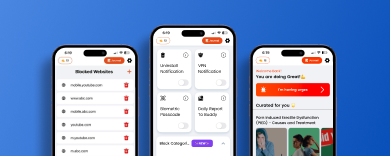
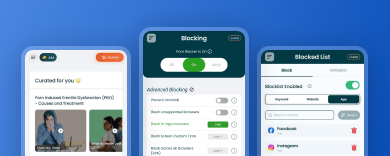
Add real friction. A reliable blocker across your devices removes the split-second decision point where willpower is weakest — not a crutch, just smart design against a habit that thrives on frictionless access.
Don’t do it in total isolation. Compulsive habits lose a lot of their grip once they’re spoken out loud to someone who won’t judge you for it — a partner, a friend, a support community of people working through the same thing, or a therapist who specializes in compulsive behavior.
Treat a setback as information, not a verdict. Recovery from any compulsive pattern is rarely a straight line. What matters more than a clean streak is understanding what triggered a slip and adjusting from there.
The bottom line
The side effects of heavy porn use aren’t exaggerated scare tactics — desensitization, relationship strain, compulsive patterns, and changes in sexual response are all genuinely documented outcomes of habitual, high-volume use. None of that makes you broken, and none of it is permanent. Brains adapt to what you repeatedly do, which means they can adapt back, too — given the right conditions and a bit of patience with yourself along the way.
FAQ
Can porn actually cause erectile dysfunction? In cases of heavy, prolonged use, yes — the mismatch between highly stimulating, scripted content and real-world intimacy is linked to what’s often called porn-induced erectile dysfunction.
Is it normal to watch porn occasionally, or is any amount harmful? Occasional use isn’t inherently harmful for most people. The concern is less about frequency and more about whether it’s become compulsive — used to numb stress or escape rather than as an occasional choice.
Does porn use affect relationships even if a partner doesn’t know? It can — shifts in expectations, comparison, and emotional distance can develop gradually even without a partner being aware of the underlying cause.
What’s the first step to cutting back on porn use? Getting clear on your actual reason for wanting to change, then adding real friction (like a device-level blocker) tends to work better than relying on willpower alone.