Overcoming Self-Hatred: Top 7 Effective Strategies
Self-hatred destroys self-esteem, confidence, and happiness. It’s a terrible loop that leaves us feeling powerless and stuck, continuously putting ourselves down. Yet we can change our ideas and stop this detrimental practice.
This article offers 7 ways to stop self-hatred and negative self-talk. These methods help us acquire control over our thoughts and improve our self-image.
What is self-hatred, and why is it harmful?
Self-hatred is a painful and harmful mental state in which a person hates and despises oneself. It may leave someone feeling overwhelmed, despondent, and useless.
Self-hatred includes negative self-talk, self-punishment, and self-sabotage. Trauma, abuse, neglect, or unreasonable expectations from society or loved ones can cause it.
Self-hatred causes many problems. It causes anxiety, sadness, and drug misuse. It may also cause persistent stress, insomnia, and sickness.
Self-hatred may consume a person’s life and make it hard to connect with people or achieve objectives. It may limit self-growth and self-acceptance, impeding a meaningful existence.
Mental health professionals can help you overcome self-hatred.
What are the signs of self-hatred?
Self-hatred can manifest in many different ways, and the signs may vary from person to person. However, some common indicators of self-hatred include the following:
Negative self-talk

Self-criticism is prevalent. Those ideas tell us we’re not good enough, clever enough, or enough in general. Negative self-talk may affect our mental health and well-being, despite its innocuous appearance.
Reconsider your self-criticism if you do it often. Strive to understand their perspective and counter with positive, realistic self-talk.
You’re your greatest fan. Be gentle to yourself, enjoy your successes, and concentrate on your talents. Well deserved!
Low self-esteem
Self-hatred—a warped perception of oneself—often leads to low self-esteem. This may cause crushing humiliation, uncertainty, and worthlessness. Self-frequent hatred criticising and harsh thoughts promote this unfavourable self-image.
For instance, someone with self-hatred may constantly convince themselves they’re a failure. Self-talk like this may lower self-esteem and encourage negative attitudes and beliefs. Over time, a poor self-image may affect a person’s behaviour and relationships, making them feel inadequate and hopeless.
Perfectionism
I know how easy it is to become a perfectionist in every facet of life. Perfectionism may hinder us in numerous ways, despite its favourable appearance.
Perfectionism may produce unreasonable expectations, tension, worry, and melancholy. We second-guess ourselves and worry about making errors, which makes it hard to make choices and act.
Perfectionism is not excellence. Perfectionism entails aiming for perfection, whereas excellence requires establishing high standards and working towards them.
It’s vital to remember that errors are part of learning and that it’s normal to make mistakes. Accepting that errors will happen reduces tension and worry, allowing us to concentrate on learning and improving.
Substance abuse
Drug misuse impacts millions worldwide. I know how vital it is to discuss this matter freely and honestly because I care passionately about people.
Drugs, alcohol, and other addictive substances may damage a person’s health, relationships, and quality of life. It increases crime, healthcare expenditures, and other social difficulties, making it a personal and societal issue.
Substance abusers can get assistance, however. Therapy, support groups, and other treatment options may help addicts live happier, healthier life.
Depression and anxiety
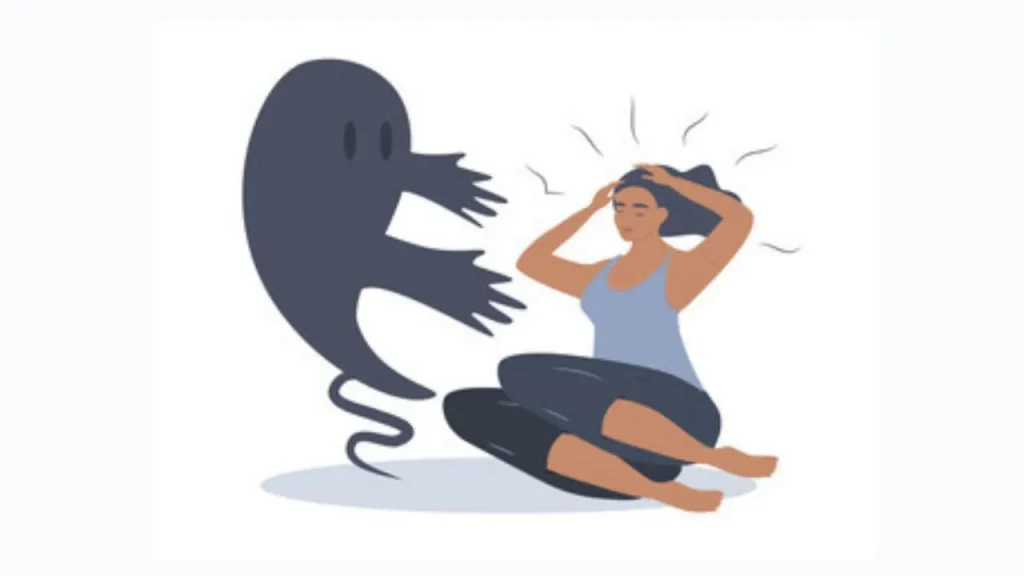
Discuss depression and anxiety. Two mental health concerns may severely impact our everyday life and well-being.
Depression causes chronic unhappiness, lack of interest, and pessimism. Genetics, brain chemistry, and life experiences may cause it. Depression causes tiredness, sleeplessness, hunger changes, and concentration issues.
Yet, anxiety—worry or concern about the future—can cause physical symptoms including fast pulse, perspiration, and shaking. Genetics, trauma, and persistent stress may trigger the most prevalent mental health problem, anxiety.
If you have sadness or anxiety, get treatment. Therapy, medication, lifestyle modifications, and family support are treatments.
Self-haters often isolate themselves. A low self-image, severe self-criticism, and humiliation and embarrassment may cause this. Hence, they may shun social interactions.
Self-haters may feel inferior or afraid of being judged. These views and beliefs might restrict their social contacts, creating a vicious cycle. Social isolation may make self-hatred and negative self-talk harder to overcome.
Self-harm
Self-harm is sensitive and difficult to discuss. Self-harmers, you’re not alone. Self-harm is a common coping mechanism. But, there are better methods to handle these emotions.
Self-harm includes cutting, burning, striking, and itching. Self-injury may cause physical and mental damage, so get treatment. Hotlines, support groups, and treatment may assist.
Self-harm is not a weakness. You may have acquired it to handle painful emotions. Yet, healthy strategies to deal with these emotions might help you feel better in the long term.
Please get treatment for self-harm. You deserve to feel better and learn better emotional management. Take care of yourself and know that others care and want to assist.
The impact of self-hatred on mental and physical health
Self-hatred may damage mental and physical health for years. Depression, anxiety, and poor self-esteem may affect everyday living and relationships. Negativity, self-criticism, and stress may weaken the immune system and cause headaches, digestive disorders, and heart disease.
Self-hatred may also lead to drug and alcohol misuse as a strategy to deal with bad emotions. Self-hatred may lead to self-harm, which can cause scars, infections, and increased suicide risk.
Tips to overcome self-hatred

Self-hatred is hard to overcome, yet you can recover and love yourself. Here are some practical advice and methods for this journey:
Then, question negative self-talk by being conscious of your negative self-beliefs. After identifying these ideas, actively question them. Practice self-compassion and talk to yourself like a friend.
Gratitude may also improve your attitude. Focus on your blessings instead of your faults.
Socializing is essential. Friends, family, and support groups may help you feel less alone.
A therapist or counsellor may help you identify the root reasons of this issue and create better coping skills.
Self-care includes enjoying activities like exercise, meditation, and creative hobbies.
Accepting your talents and shortcomings helps you overcome self-hatred. Despite your imperfections, love and appreciate yourself.
Self-hatred recovery requires time and commitment. Be patient and accept your faults.
Final Words
Finally, learning to overcome self-hatred is a desirable and practical goal that is within grasp. It takes effort, patience, and desire to change, but the rewards are substantial.
You may begin to lock the door on self-critical thoughts and foster a more positive and compassionate connection with yourself by taking practical measures and using the tactics suggested in this article.
It is important to know that self-loathing is not a permanent state and that with the right help and skills, you may heal and build self-love. Maintain your motivation and remember that you are deserving of pleasure, love, and appreciation.