NoFap Streak Anxiety: How to Cope With Losing Your Streak
NoFap Streak Anxiety: How to Cope With Losing Your Streak
NoFap Streak Anxiety
You’ve been doing extremely well! You haven’t looked at any pornography for almost two weeks. You’ve had changes to your routine and have begun to feel more confident.
Then disaster strikes!
As you open your streak counter, you notice it resets to zero and suddenly everything you’ve been working towards feels lost.
You might feel quite dejected and begin to think ‘what was the point of those days?’.
This is very common for many people. Tracking how many days you go without pornography can give you motivation and can give you something to work towards.
However, this can cause issues.
What is NoFap Streak Anxiety?

NoFap streak anxiety is the stress and anxiety some people may feel due to feeling pressured to go without pornography (or depending on your commitment, masturbation) for a certain number of days.
Whilst this can be referred to as NoFap Streak Anxiety, it is not a medical diagnosis. This is commonly a concern for those who track their streaks to help them with a behaviour change goal.
Initially this can be a great motivator. Achieving 7, 2 weeks, 1 month etc. can give you a visual to remind you of how well you are doing.
However it can become a source of stress if you begin to think of it as a test of your self-discipline.
You may begin to think:
‘I’ve lost my streak so I’ve failed’
‘I have to start again from 0’
‘I don’t have any self-control so I’ll just relapse’
‘I can’t relax until I hit a certain amount.’
‘I’ve already messed up so there’s no point trying today.’
This can cause the tracker to become a source of pressure.
However, if the tracker is helping you stay focused then it’s fine to continue. The key thing to remember is that it is only helping you track one part of your progress.
Why Do I Find it So Hard When I Lose My Streak?
1. You View it as a Number
After tracking for a number of days/weeks you may begin to view your streak as a reflection of your self-discipline, improvement and finally having control over your habit.
When your streak ends you may feel as if you’ve lost all of these qualities.
However, the number on your tracker doesn’t reflect everything you’ve learnt. You have still made changes to your routine, recognised your triggers and managed your urges.
Your setback won’t change your whole history.
2. Comparing Yourself Online
Support groups can be a great source of motivation. Seeing others celebrating reaching 30, 60 or 100 days without pornography can be motivating.
However, it can cause you to feel like you’re falling behind.
You may not know how much they have struggled, what their goals are or how their day goes.
Everyone will have a different timeline to make real changes.
Try to use others as a source of motivation. Don’t use their milestones as a deadline.
3. You Expect it to be Perfect
When you’re putting a lot of effort into changing your habits you may expect it to get easier each day.
However, this may not always be the case.
You may feel stressed, lonely, bored, tired or fall into old routines causing you to feel urges.
This doesn’t mean you’re falling behind. It’s about how you react to the urges and if your behaviour is moving towards your goals.
Learning how to cope with difficult times is part of the process.
4. Feeling Shameful
After a setback you may begin to be critical of yourself, avoid talking about what happened or think you just don’t have enough self-control.
Whilst it’s understandable to feel disappointed, constantly being critical of your character won’t help you.
Instead of saying:
‘I’m a failure and I’ll never have any self-control’
Try saying:
‘I watched pornography last night but I meant not to. I need to understand why.’
This means you’re acknowledging what has happened without making a judgement about who you are as a person.
This can help you to be honest with yourself and understand what you can change.
Do I Lose All My Progress If I Relapse?
No. Just because you’ve had a setback doesn’t mean you haven’t been practicing new behaviours.
Let’s say you used to watch pornography every evening. You have practiced new behaviours for 2 weeks, removed your phone from your bed and found new ways to cope with your stress.
You may have had a setback and watched pornography one evening. However, you have still practiced new behaviours.
You may need to adapt your plan but you still know how to recognise your triggers, make changes to your environment and respond to your urges in a different way.
Also, think about what your personal goal is.
Some people choose to stop watching pornography whilst others choose to abstain from masturbating. Acknowledge what your goal is and how you’re doing compared to that.
A setback may mean you’ve lost your consecutive streak but doesn’t mean you’ve lost all the positive changes you’ve made.
If you are finding it difficult to control your pornography use, it is causing you significant distress or impacting your everyday life then it might be a good idea to talk to a qualified mental health professional.
How Can I Cope With NoFap Streak Anxiety?
To start with, there’s no need to over complicate things. Here are a few simple things you can do.
1. Be Honest With Yourself
After having a setback notice how you are being critical of yourself.
Instead of saying ‘I’ve messed everything up’ try to be specific with your behaviour.
For example:
‘I watched pornography last night after scrolling on my phone for an hour in bed.’
This gives you something to work with.
You can now think about why you were scrolling late at night, your environment or what led to this behaviour. However, if you’re just saying you’re a failure you won’t be able to do much.
Being specific will help you to decide on a practical change. The NHS guidance on managing setbacks also encourages noticing triggers and learning from difficult periods.
2. Consider Why It Happened
Take a few minutes to think about why it happened.
What were you feeling?
Were you stressed, lonely, bored, frustrated or tired?
Where were you and what device were you on?
Were you mindlessly scrolling?
What could you do differently next time?
You don’t need to over analyse but try to notice something useful.
If you had a setback whilst scrolling in bed then maybe charging your phone outside of your bedroom would be more practical than telling yourself to use your willpower.
This will help you make an easier decision next time. NICE behaviour-change guidance discusses action planning, coping plans and support when maintaining behaviour changes.
3. Decide if Your Counter is Helping
Whilst having a counter can be a great motivator, constantly checking it can cause stress.
If you find yourself thinking about your streak throughout the day then try to limit how often you check or track weekly.
Instead of tracking your streak you could track:
How often you did the behaviour you want to change.
What situations caused you to struggle with your urges.
How consistent you were with your plan.
Did your habits impact your sleep, work, studying or relationships?
What have you learnt from this difficult situation?
This can help you to see how you’ve changed. Whilst your streak may not show this, it can help you to understand how you’ve changed.
If your streak is helping then there’s no issue with continuing to track it. Just don’t let it become the only thing that matters.
4. Plan How to Cope With Difficult Times
When you’re feeling tired, distracted or stressed it can be harder to make decisions when you have an intense urge.
It can help to plan what you will do when you’re in a situation you know will cause an urge.
For example:
When you have an urge:
Put your phone down or close the app.
Move away from where you usually do the behaviour.
Take a few minutes to think.
Make a specific plan for what you will do. For example go for a walk, have a shower, cook or message a friend.
Once you’ve had a break you can reassess the situation.
Your urge may not go away instantly but you don’t need to wait until you feel completely calm to make a different choice.
This will give you a break between your urge and your response.
Over time you can experiment with different responses to help you understand what works best for you.
5. Change Your Digital Environment
If there are certain websites/apps or late night browsing causing you to struggle with your goal then you could make some changes.
Block certain sites and consider a digital break.
Limit apps.
Don’t have your phone in your bedroom.
Unfollow accounts that are constantly showing you unwanted content.
Turn off notifications that encourage you to scroll unnecessarily.
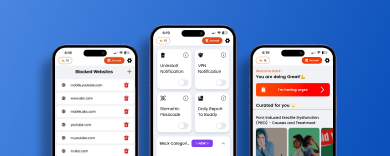
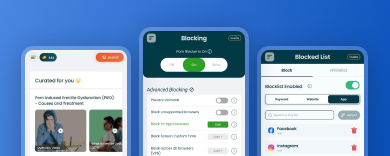
Apps like BlockerX can help depending on your settings and what you’re using. You can also explore digital fasting tips to review your screen-time habits.
However there is no guarantee you won’t see unwanted content or have urges.
This should be seen as part of your plan. Try to make changes to your routine and how you cope with difficult situations.
This should help make it easier for you to do what you want to do. Don’t make it feel like you’re failing if you have an urge.
6. Create Routines to Help You
Think about how pornography has been playing a role in your everyday life.
If you tend to watch it when you’re bored then plan some activities to keep you entertained in the evenings.
If you tend to watch it after a stressful day then experiment with other ways to unwind. Exercise, music, going for a walk or chatting to someone you trust.
If you tend to watch it when you’re lonely then try to find ways to stay in contact.
Improving your sleep, exercise, meaningful hobbies and relationships won’t happen overnight but can give you more options if you have urges in familiar situations.
Make sure you’re making realistic changes that fit with your situation.
How Can I Track My Recovery?
Imagine two people. Both have gone 10 days without pornography.
Person 1 is constantly stressing about their counter. They’re worried that if they have a difficult time they’ll mess everything up.
Person 2 is tracking their progress but are learning to recognise their triggers, have a realistic routine and are getting back on track after an imperfect day.
Whilst both have the same number, it doesn’t tell the whole story.
Instead of focusing on consecutive days try to think about:
Area
Questions to Ask Yourself
Awareness
Can I recognise situations that will make me more likely to do the behaviour?
Decision Making
Am I improving at pausing before reacting?
Routines
Have I created useful alternatives?
Everyday Life
Is the behaviour impacting my responsibilities and relationships less?
Resilience
Am I getting back on track after a setback?
You don’t need to improve all of these.
Pick one practical change to make and stick with it. See if it’s helping.
If consecutive abstinence is an important part of your goal then continue to track it. Remember that it is just one part of your progress.
What If I Keep Relapsing?
If you’re constantly having setbacks it can be frustrating. Especially if you’ve already tried a few different strategies.
At this point making your rules stricter may not help you with the issue.
Think about what is causing you to relapse.
Maybe you’re getting urges when you’re stressed or lonely. Or your current protections are too difficult to stick to. Maybe your routine isn’t keeping you busy.
You may need some help with your emotional issues or other concerns.
Try to make one change at a time. This will help you to see what is helping.
If the behaviour is feeling out of control, causing you distress or impacting your relationships and responsibilities then it may be a good idea to seek some support from a qualified mental health professional. You can learn more about cognitive behavioural therapy (CBT) from the NHS.
You don’t need to wait until things get bad.
Also don’t view every setback as a test of your character.
Final Thoughts
Tracking your NoFap streak can be a great way to stay motivated. However if you’re focusing on the number it can make setbacks feel more significant.
If you have a setback take some time to understand what has happened. Pick one practical change to make and get back into your routine. Focus on your goal.
You can feel disappointed but don’t view yourself as a disappointment.
The most meaningful progress you may have made isn’t the number on your tracker but instead recognising your patterns, making intentional choices and knowing how to cope with difficult situations without giving up on yourself.
Track your days if it helps but don’t let them become more important than your life.
FAQs
Is NoFap Streak Anxiety a Real Medical Condition?
NoFap Streak Anxiety is an informal term. It is not a medical diagnosis. Some people can feel stressed due to feeling pressured to go without pornography for a certain number of days.
Should I Reset My NoFap Counter?
This will depend on your goal and how you’re tracking. If you’re tracking consecutive days without pornography then resetting your counter is an accurate reflection of your commitment. However don’t view this as meaning you’ve lost all your progress.
How Can I Stop Feeling Guilty After a NoFap Relapse?
Be honest with yourself about what has happened. Think about the situation, pick one practical change and get back into your routine. If you’re feeling overwhelmed or guilty then it may be a good idea to speak to a mental health professional.
Is it Better to Track Days or Habits?
Both can be useful. Tracking days will show you how many consecutive days you’ve gone without. Tracking habits can help you understand your routines, triggers and responses. Pick a method that will help you with your goals without causing unnecessary stress.
How Can I Reduce the Likelihood of Relapsing?
Identify any recurring triggers. Make unwanted content less accessible. Plan some alternatives. Create a realistic plan for difficult situations. No strategy will guarantee you won’t have setbacks but understanding your patterns can help you make informed changes.