Social Media Algorithms & Pornography: How Recommendations Work
Social Media Algorithms & Pornography

Introduction
Have you found yourself scrolling through social media and coming across increasingly explicit content?
- Maybe you come across one suggestive post in your social media feed. You then continue scrolling and come across more. And more.
- Before long, your social media feed may be full of increasingly explicit content that you did not actively search for.
Does this sound familiar?
Social media platforms have complex algorithms which aim to give you recommendations to suit your interests. As a result, you may be exposed to content that you may not have actively searched for.
Understanding how social media algorithms can lead to increased exposure to pornography is important. Starting off by simply scrolling on social media, people may be exposed to increasingly suggestive content, explicit content and even pornography related websites.
How does this happen? Why does it sometimes seem that social media knows exactly what to recommend to you? And most importantly, how can we avoid being exposed to unwanted content?
Let’s take a look at how algorithm recommendations can lead to pornography exposure.
1. Understanding social media algorithms
- Social media algorithms are designed to show users content within their feed, suggestions, search results and short videos.
- They are designed to keep people engaged within the platform by providing them with content that keeps them interested.
- On platforms such as Instagram, Facebook, TikTok and YouTube, algorithms take into consideration many factors to customise the content shown to users.
- Factors considered by social media algorithms include:
- Time spent on videos.
- Interactions with content (likes, comments, shares and saving).
- Search history.
- Which videos are watched repeatedly / skipped.
- Creators/accounts frequently visited.
For example, if you watch a fitness video that has suggestive clothing, even if it is not explicit, the algorithm may pick up on this and begin suggesting content with similar themes.
Therefore, over time, you may see more recommendations relating to these themes.
It is important to understand that algorithms cannot determine your intentions, but simply pick up on patterns in your behaviour to predict what you may be interested in watching. TikTok explains this process in its official guide to how its recommendation system works, including the role of likes, watch time, shares and other signals.
2. Increased exposure to pornography
A common concern with algorithm recommendations is that people can be exposed to suggestive content within their feeds.
Although social media platforms do have rules to limit pornography and explicit content, suggestive content may still be present. Not all violations of these rules will be caught by social media moderators. Instagram explains that some material may be allowed on the platform but not eligible for recommendations under its recommendation guidelines and content controls in India.
Below are the reasons why this may occur.
A. Suggestive content receives many likes/views
- Suggestive content may receive many likes/interactions.
- If the time spent on these posts increases, algorithms may suggest similar content to you.
- This can create a cycle within your feed meaning more suggestive content is appearing.
B. Short video formats lead to increased exposure
- With social media platforms such as Instagram Reels, YouTube Shorts and TikTok ‘For You’ feed, it is extremely quick to discover new content.
- You will often find another video.
- Unlike browsing social media content manually, recommendation feeds on social media means that you are constantly exposed to new content.
- Therefore, if you start to be shown suggestive content by recommendations, you may be accidentally exposed to it.
C. Creators use suggestive content to gain engagement
- Many creators may use suggestive images, titles, revealing clothing and suggestive trends to gain attention.
- Even if a video is not explicit, it could cause you to look at other similar accounts or search for more explicit content elsewhere.
- This could lead to you moving to adult websites from mainstream social media.
- Key point: Not all pornography exposure comes from actively searching for it. It can come from gradually being exposed to increasingly suggestive content.
3. Feedback loops with algorithms
Have you noticed that after watching a certain type of content, you begin to be shown similar content from recommendations?
- This is known as a feedback loop in recommendations.
- This can occur in the following way:
- You are exposed to suggestive content in your feed.
- You engage with it by watching for longer durations, visiting the creator or looking at similar content.
- The algorithm recognises these actions.
- You are shown similar content to what you previously viewed.
- You begin to be exposed to similar content frequently. This could mean that you begin to engage with this more.
Over time, your content may be highly customised to reflect the content you are viewing.
However, this does not mean that every engagement will lead to pornography recommendations. Different platforms have different ways of ranking content, and many factors will influence what is shown in your recommendations. However, engaging with content multiple times can influence what is shown to you.
It is important to understand that you can influence future content by behaving in a certain way in online spaces.
4. Effects from repeated exposure
- Repeated exposure to suggestive content can influence attention, expectations and browsing habits.
- Whilst not everyone who is exposed to suggestive content will develop a pornography problem/addiction, some people may.
- Consider the following behavioural patterns.
A. Increased curiosity
Repeated exposure to suggestive content can mean that this type of content becomes very familiar. In some people, they may become curious to view increasingly explicit content, especially if it appears frequently.
B. Difficulties limiting time on social media
Short content is designed to be easy to consume quickly. If you are consistently being exposed to suggestive content and engaging with it, you may begin to spend far longer on social media than intended.
Rather than checking social media for 5 minutes, you may spend 1 hour.
C. Development of browsing habits
- Repeatedly doing something in a situation, feeling a certain emotion or within a certain environment can lead to the development of a habit.
- For example, if you:
- Browe Instagram when bored.
- Look for suggestive content when alone.
- Watch reels at late hours of the night.
- Open social media automatically in stressful situations.
- Over time, these actions may become difficult to break.
D. Becoming used to constant sexual stimulation
If people are regularly exposed to sexualised content, it may become a regular part of their online lives. In some people, this can mean that they begin to seek out similar content repeatedly, especially in situations of boredom, stress and existing pornography viewing habits.
Recognising these patterns can help you make healthier choices in your social media habits.
5. Which social media platforms may show pornography Related Content?
Depending on the platform, recommendations, rules and moderation may be different. However, suggestive content can be seen on many popular platforms.
Platform How pornography Related Content may be shown
Instagram Reels, Explore, and suggested accounts
TikTok ‘For You’, hashtags and trending
YouTube Shorts, recommendations, thumbnails
Facebook Reels, groups and suggested content
X (Twitter) Recommendations, shared content, search
Reddit Subreddits, communities, and suggested content.
Note: Suggestive content is not the same as pornography. Rules differ on each platform depending on the type of content. However, if wanting to avoid pornography, it may also be beneficial to take steps to manage suggestive content to avoid unhealthy surfing habits.
6. How to stop receiving unwanted content via social media algorithms
- The good news is, there are ways to help manage what you are shown by social media algorithms.
- Although you can not control every recommendation made, here are some actions you can take.
1. Mark content as Not Interested
- Most major social media platforms allow users to manage recommendations.
- If you are shown suggestive/unwanted content, try:
- Marking it as Not Interested.
- Avoid interacting with similar content.
- Unfollowing accounts regularly posting unwanted content.
- Reporting content that is breaking guidelines.
- Doing this can improve what is shown in your recommendations.
2. Reset or manage what is being recommended to you
Some platforms allow people to reset their recommendations or manage sensitive content.
Instagram allows users to manage sensitive content with the Sensitive Content Control feature. You can read Meta’s explanation of Instagram Sensitive Content Control to understand how it can reduce certain sensitive recommendations. TikTok also has features to refresh your ‘For You’ feed and block certain keywords; see its official guide to managing recommendations and feed preferences. Try using these features periodically to make sure content in your feed matches your preferences.
3. Unfollow triggering accounts
- Sometimes, even if an account is not posting explicit content, regularly seeing suggestive content may cause unhealthy browsing habits.
- Check the accounts you follow and consider unfollowing any that regularly post content you would like to avoid.
4. Limit how long you spend on social media
It can be difficult to manage social media if you are scrolling mindlessly. Set time limits for the entertainment apps on your devices. Try to avoid using them at vulnerable times, particularly late at night.
Also, try not to leave your phone in your bedroom in order to limit mindless scrolling.
5. Avoid interacting with unwanted content.
- Try not to save, like, share or repeatedly view suggestive content.
- As different interactions impact recommendations, reducing unnecessary interactions can help change what content you are shown in line with other interests.
6. Block content
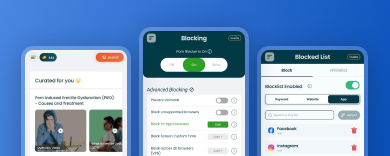
- If social media is frequently leading you to pornography websites, consider using a reliable content blocking tool.
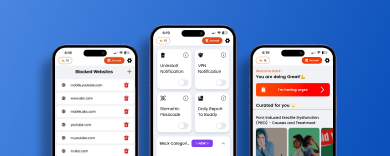
- BlockerX can help users block adult content, and add further protection against unhealthy browsing habits.
- While using a block tool is not a substitute for healthy social media habits, it can provide added protection.
7. Developing healthier social media habits
- Avoiding unwanted content is not limited to avoiding pornography. It can help you develop healthier social media habits.
- Try:
- Following educators, fitness accounts, hobbies, travelling pages and communities that support your interests to create a purposeful feed.
- Be mindful of what you are doing. Consider why you are opening an app and close it once you complete the task.
- Know what causes you to view unwanted content. Are you doing so due to boredom, loneliness, stress or late hours?
- Take regular social media breaks. Doing something else such as reading, exercise, going for a walk or doing offline hobbies can help break these repetitive habits.
- Be accountable. If you are trying to limit pornography use, consider telling a trusted person or using accountability tools.
- We do not want to completely cut technology out of our lives, just ensure that we are using it in a way that aligns with our goals.
Final Thoughts
Social media algorithms can be very useful. They help people discover interesting content, create a personalised experience and connect people with others that share similar interests.
However…
Repeated exposure to suggestive content can change peoples’ browsing habits, create unwanted curiosity and make it difficult for some people to have control over their online activity.
Understanding how social media algorithms can contribute to pornography exposure can help make healthier decisions online.
You do not need to remove all social media apps or cut out the internet. Start by knowing what triggers you, improving your feed, creating boundaries and using features on social media platforms to protect yourself.
- Your attention is a valuable resource. Do not allow it to be controlled by an algorithm.
- Take control of what is being shown in your feed, your habits and develop healthier relationships with technology.
FAQs
1. Can social media algorithms recommend pornography?
Social media algorithms can recommend suggestive content depending on user interactions. While explicit pornography is limited on mainstream platforms, not every breach in this rule will be picked up by social media moderation.
2. Why am I being shown suggestive content on Instagram?
Instagram will recommend content to you based on many different factors. These include interactions, what content you watch, accounts you follow and what content you prefer. If you interact with similar content, this can change the recommendations shown to you.
3. Will I be shown different content in my feed after watching one piece of suggestive content?
It may change what is shown to you in your recommendations. However, a single piece of suggestive content will not guarantee changes to your feed.
4. How can I stop seeing inappropriate content on social media?
Use sensitivity filters, mark content as Not Interested, unfollow triggering accounts, adjust your recommendation settings and avoid interacting with unwanted content.
5. Can social media cause people to become addicted to pornography?
Social media does not necessarily cause people to become addicted to pornography. However, repeated exposure to pornography, easy access and the development of browsing habits may lead to problematic pornography habits in some people.
6. How can I avoid accidentally accessing pornography?
Use safety features on social media platforms, limit exposure to triggering content, be mindful of what you are doing on social media and consider using a site blocker, such as BlockerX, to block adult sites.
Get started on a healthier digital lifestyle with BlockerX.