5 Incredible Aspects of Psychological Dependence You Must Know
Psychological dependence is a medical condition that has its grip on millions of people from around the globe. The prominent characteristic of this condition is the compulsive urge to engage oneself in certain types of activities and the consumption of substances that are not good for one in order to achieve a sense of pleasure and calmness. As per the general belief, this condition has been since times immemorable been associated with addiction. However, it can also manifest in a number of other forms, such as gaming, social media misuse, and gambling.
What is Psychological Dependence?
The dependence of psychology is a condition wherein a person becomes emotionally and mentally dependent on certain types of actions and substances that help the person reach levels of calmness and peace.
Still, it can also include non-substance-related behaviors like gambling, video gaming, or social media use. Unlike physical dependence, this disorder is primarily driven by the brain’s reward system, which releases dopamine in response to pleasurable stimuli.
Over time, this can lead to changes in the brain’s circuitry and functioning, making it harder to quit or reduce the behavior or substance use, even when it causes problems in the person’s life.
What are the Causes of Psychological Dependence?
According to the experts, psychological dependence can have multiple causes, including genetic, environmental, and psychological factors. Studies have suggested that individuals with a family history of addiction may be more prone to developing dependence. Environmental factors such as trauma, stress, and early exposure to addictive substances or behaviors may also contribute to the development of psychological dependence.
Furthermore, psychological factors, such as low self-esteem, depression, anxiety, and other mental health issues, can also increase the risk of this dependence.
What are the Symptoms of Psychological Dependence?
The symptoms of psychological dependence can vary depending on the type of addiction or behavior in question. However, some common signs of dependence include intense cravings, preoccupation with the substance or activity, an inability to control or reduce the behavior, withdrawal symptoms when the substance or activity is unavailable, and continued use despite negative consequences.
What are the Consequences of Psychological Dependence?

Psychological dependence can have a wide range of negative consequences on an individual’s life. One of the most significant consequences of dependence is the impact it has on a person’s mental health. People who suffer from this dependence are at a greater risk of developing anxiety, depression, and other mental health disorders.
Treatment and Prevention of Psychological Dependence

Preventing psychological dependence involves recognizing the risks and avoiding them. This may involve limiting exposure to addictive substances or behaviors, learning healthy ways to cope with stress, and seeking professional help when necessary. Encouraging healthy habits, such as exercise, a balanced diet, and regular sleep patterns, can also contribute to a healthy lifestyle and reduce the risk of developing dependence.
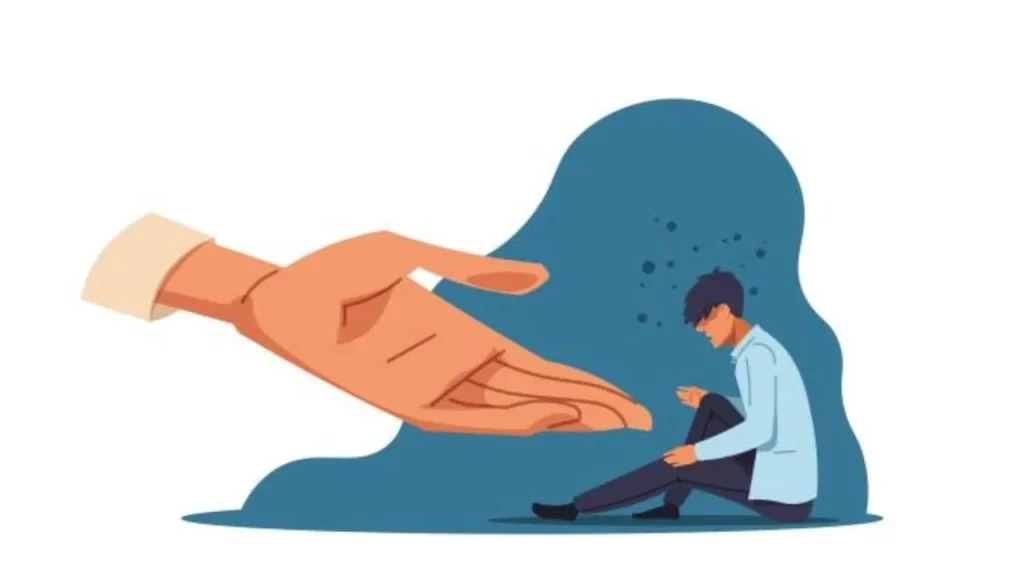
However, remember you are not to suffer alone ever! So, if things seem to get out of hand it is best to seek professional help, you can reach out to psychologists near you or seek other medical help. Don’t suffer, reach out for help!
Final Words
In conclusion, psychological dependence is quite a complex condition that affects people from around the world. It can have a severe impact on an individual’s physical and emotional well-being, relationships, and quality of life.